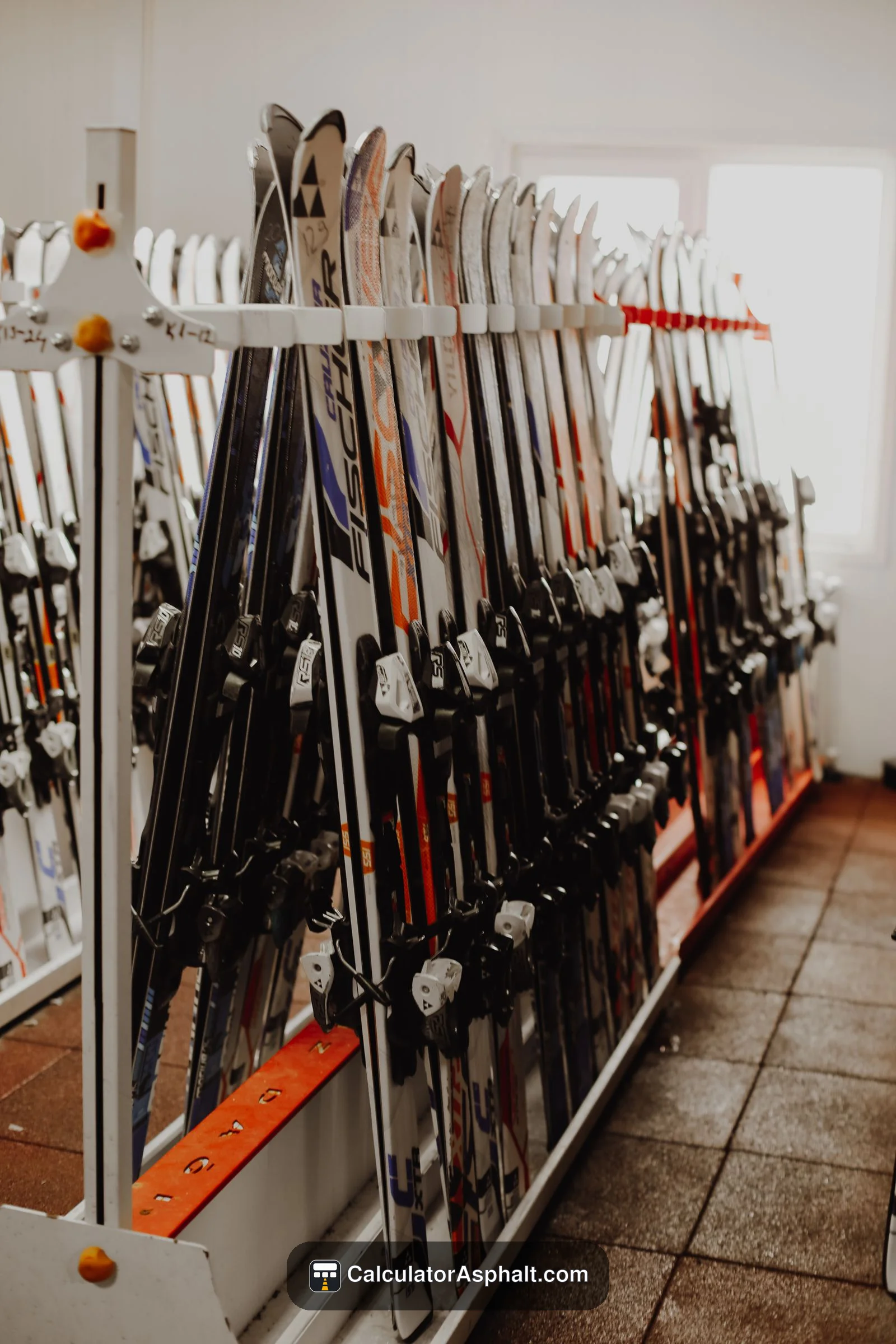
Every spring the same thing happens. You need the mower, the hose, and the garden chairs, and they are buried behind the snow blower, the sledges, and the bags of salt. Every autumn it happens in reverse. The problem is not that you own too much gear. The problem is that the wrong season is in the way. This guide is for the homeowner whose garage serves two seasons at once, and it makes one promise: two swaps a year, ninety minutes each, and the gear you need is always within reach.
The fix is simple: in-season gear lives low and close, out-of-season gear lives high and far, and twice a year they trade places. This guide works through one example with real arithmetic, compares swapping with buying more storage, and gives a swap plan you can run in one evening.
The decision first
Swap twice a year, on fixed dates, and never buy more storage to solve a seasonal problem. The swap is the system. More shelves, more bins, and more racks do not fix a seasonal garage, because the wrong season still sits in front of the right one. The swap moves it out of the way.
Why the seasons collide
The seasons collide for one reason: gear arrives in the garage in the order you bought it, not in the order you use it. The snow blower went in last winter and stayed by the door. The mower went in last summer and stayed behind it. Neither of them moved, because nobody moves gear that is not in the way yet, and by the time it is in the way, the season has already started.
A garage that serves two seasons has two sets of gear, and only one set is ever in use. The set in use should be low, close, and reachable. The set at rest should be high, far, and out of the way. That is the whole system, and the swap is the only thing that keeps it true.
Worked example: two swaps, sixteen bins
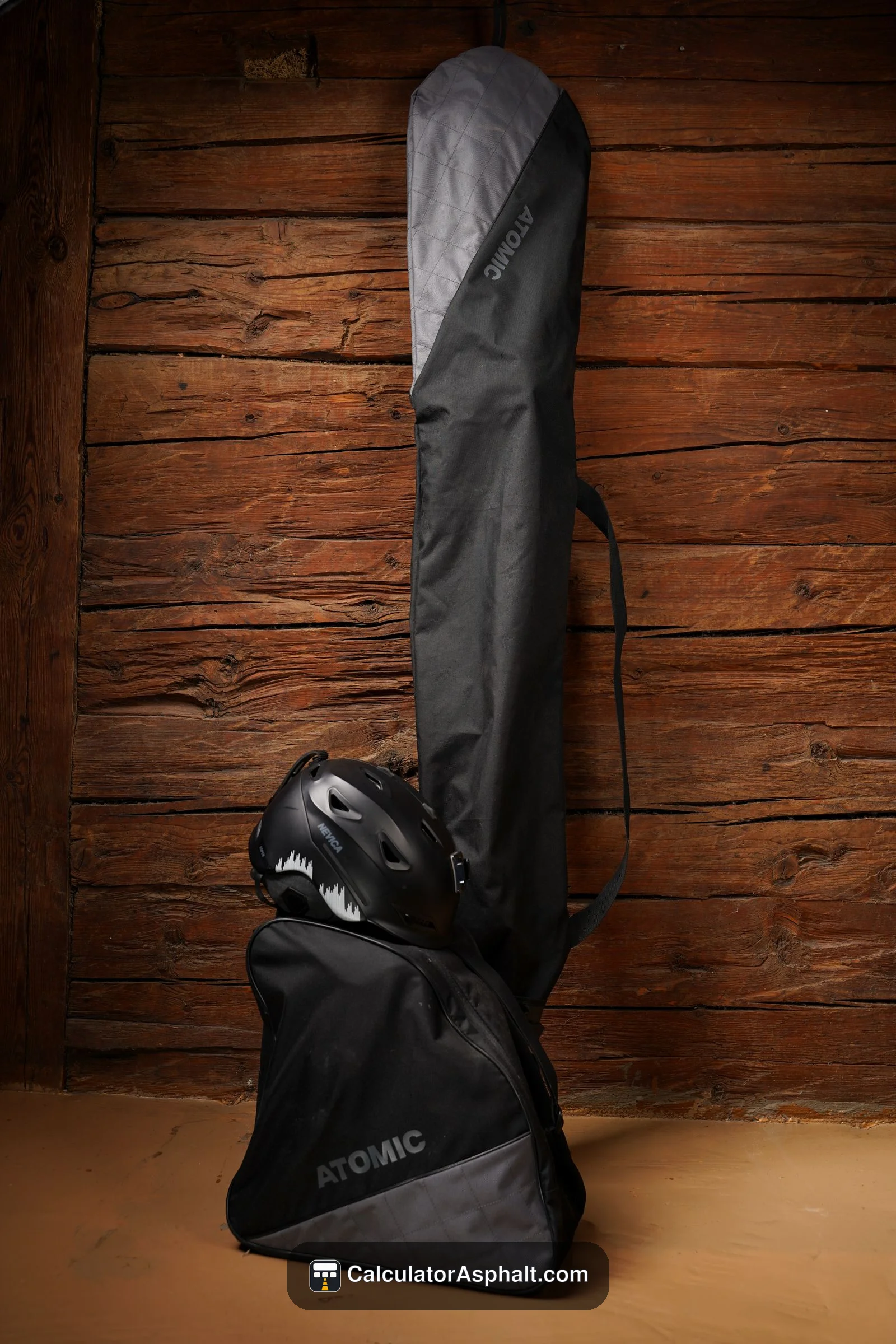
Every number here comes from the assumptions below, and every step shows its arithmetic. Count your own gear before you plan anything.
Assumptions: sixteen bins of seasonal gear, eight summer and eight winter. Two swaps a year, spring and autumn. Eight low shelves within easy reach, eight high shelves above them. These are assumptions, not facts about your garage.
The gear: eight and eight
Summer gear: mower, hose, garden chairs, bikes, camping kit, sports gear, plant pots, and the barbecue tools. That is 8 items. Winter gear: snow blower, shovel, salt, sledges, skis, winter tyres, de-icer, and the Christmas decorations. That is 8 items. Total: 8 + 8 = 16 bins, one per item. Sixteen bins, eight in season and eight out of season, at any moment.
The shelves: eight low, eight high
Low shelves: 8 bins within easy reach, no ladder, no stretching. High shelves: 8 bins above them, reachable with a step ladder. In spring, the 8 summer bins sit low and the 8 winter bins sit high. In autumn, they trade places. The garage never holds more than 16 bins, and the low shelves never hold the wrong season.
The swap: ninety minutes, sixteen moves
One swap moves 16 bins: 8 down from high to low, and 8 up from low to high. Check: 8 + 8 = 16 moves. Ninety minutes for 16 moves is 90 / 16 = 5.6 minutes per bin, which covers carrying the bin, wiping the shelf, and checking the contents. Two swaps a year: 2 x 90 = 180 minutes, or 3 hours a year. Three hours a year is the whole cost of the system, and it is less than one afternoon spent digging the mower out from behind the snow blower.
The dates: fixed, not flexible
The spring swap happens on the first Saturday of April. The autumn swap happens on the first Saturday of October. Fixed dates, written on the calendar, not flexible ones. A flexible swap happens when you cannot find something, which is too late. A fixed swap happens before the season starts, which is the point.
Run the same steps for your garage: count the summer items and the winter items, count the low and high shelves, and divide ninety minutes by the number of bins to see how long your swap takes.
Swap or buy more storage
The choice is not which one holds more gear. It is which one fixes the problem.
| Choice | What happens | Best for | Watch out for |
|---|---|---|---|
| Swap twice a year | The right season is always low and close | Every garage with two seasons of gear | The dates must be fixed, or the swap never happens |
| Buy more shelves | The garage holds more gear, but the wrong season still sits in front | A garage that is genuinely short of space | More storage does not move the wrong season out of the way |
| Keep both seasons low | Everything is reachable, and nothing is findable | Nobody: this is the trap to avoid | Sixteen bins at low level is a wall of bins, and the one you need is always at the back |
| Throw the out-of-season gear away | The garage is clear, and the season is ruined | Nobody, unless the gear is broken | You will buy it all again next year, which is the most expensive option of all |
The right answer is the swap. Storage holds gear. The swap puts the right gear in front, and no amount of storage does that on its own.
How to run a swap in ninety minutes
Start the evening before, not on the morning of the swap. Put the step ladder by the shelves, clear the floor in front of them, and lay a sheet on the floor for the bins to sit on while they wait. A swap that starts with clearing the floor is a swap that runs long.
Work top to bottom, one shelf at a time. Take the 8 winter bins down first, set them on the sheet, and wipe the high shelves. Then take the 8 summer bins off the low shelves, set them beside the winter bins, and wipe the low shelves. Then put the summer bins up high and the winter bins down low, in that order, so the high shelves are filled before the low ones are. A swap that fills the low shelves first ends with bins on the floor and nowhere to put them.
Check every bin as you move it. Open it, look inside, and ask one question: did we use this last season? A bin nobody opened last season is a bin that should leave the house, and the swap is the moment to decide. In the example, all 16 bins pass the test, because the example household uses all of its gear. Your garage will be different. Count honestly.
Label as you go. Every bin gets a label with the season and the contents, on the front and on the lid, so the label is visible whether the bin is on a high shelf or a low one. A swap with labels takes ninety minutes. A swap without them takes a whole day, because nobody can find anything afterwards.
Field checklist: before swap day
Use this checklist in order.
- Count the summer items and the winter items, and write both numbers down.
- Count the low shelves and the high shelves, and check they match the counts.
- Pick the fixed dates: first Saturday of April and first Saturday of October.
- Put the step ladder by the shelves the evening before.
- Clear the floor in front of the shelves and lay a sheet down.
- Work top to bottom, one shelf at a time, and wipe each shelf as you go.
- Check every bin as you move it, and decide keep or out on the spot.
- Label every bin with the season and the contents, front and lid.
- Put the high shelves away first, then the low shelves, so nothing ends up on the floor.
- Write the next swap date on the calendar before you finish.
Mistakes that mix the seasons
Swapping when you cannot find something is the first mistake. A swap that happens because the mower is buried is a swap that happens too late. Fixed dates, written on the calendar, are the system.
Buying more shelves instead is the second mistake. More shelves hold more gear, but the wrong season still sits in front of the right one. Storage is not the problem. The order is.
Skipping the check is the third mistake. A swap that moves bins without opening them moves dead gear from one shelf to another, and dead gear takes up a shelf for another year. Open every bin, every swap, and ask if it was used last season.
Forgetting the labels is the fourth mistake. A bin without a label is a bin nobody can find, and a swap without labels takes a whole day. Label the front and the lid, every bin, every swap.
Filling the low shelves first is the fifth mistake. A swap that fills the low shelves before the high ones ends with bins on the floor and nowhere to put them. High shelves first, low shelves second, every time.
Frequently asked questions
What if I only have one season of gear?
Then you do not need a swap, and this guide does not apply to your garage. The swap is for households with two seasons of gear. If your garage holds one season, spend the ninety minutes on something else.
What if the swap takes longer than ninety minutes?
It will, the first time, because the first swap includes the sorting and the labelling. The second swap takes ninety minutes, because the bins are already labelled and the shelves are already counted. A swap that takes a whole day every time is a swap with too many bins, and the answer is to shrink the pile, not to stretch the day.
Can I swap once a year instead of twice?
No. One swap a year means one season is always in the wrong place. The spring swap puts summer low, and the autumn swap puts winter low, and both swaps are needed. A single swap is half a system.
What do I do with gear nobody used last season?
It leaves the house. The swap is the moment to decide, because the bin is already in your hands and the question is already in front of you. A bin nobody opened last season is a bin nobody will open next season, and keeping it costs a shelf for another year.