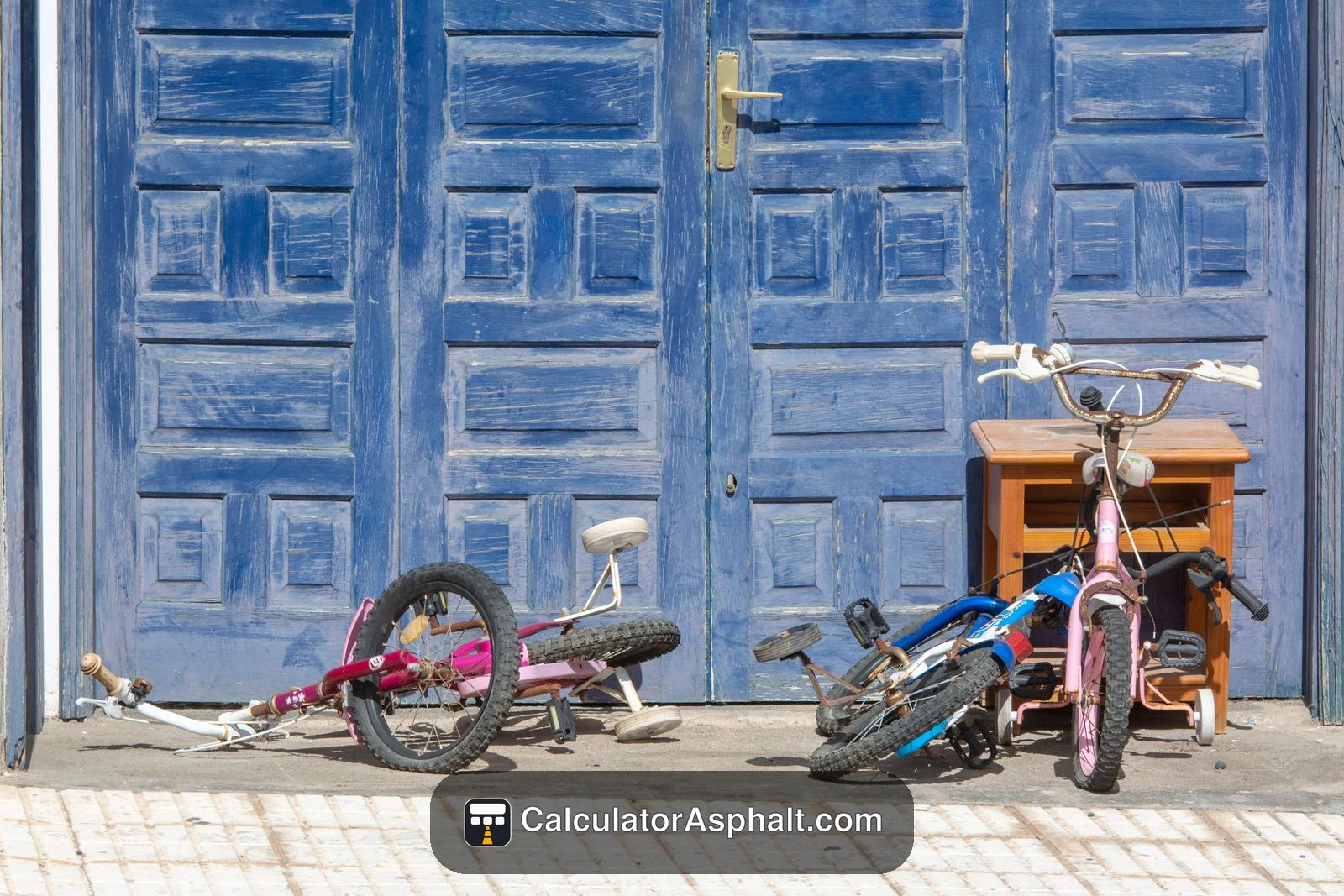
The bikes get bigger, the boots get bigger, and the helmets get bigger, and every size needs a home in the garage. The gear is outgrown before the storage bought for it is paid off, and the next size needs new storage, and the garage fills up with containers holding things no child can wear. That is the trap. Kids outgrow gear faster than storage pays for itself, so the storage must be cheap and the gear must move on. This guide is for the new mom and the large family whose garage is full of outgrown gear, and it makes one promise: store it cheap, swap it often, and the garage stays usable.
The fix is one sort of twenty-four items, twelve keepers in four bins, and a swap twice a year. This guide works through one example with real arithmetic, compares keeping everything with swapping often, and gives a step-by-step plan for storing kids' gear cheap and passing the rest on.
The decision first
Sort the gear by season and size, keep only what fits now and what fits next, and pass the rest on. Gear that is outgrown is not storage. It is a donation, a hand-me-down, or a swap, and it leaves the garage. The garage holds the gear the kids use now, and nothing else. Cheap bins hold it, and a swap twice a year keeps it current.
Why kids' gear fills the garage
Kids' gear fills the garage because it arrives faster than it leaves. A child outgrows a bike, a pair of boots, and a helmet in one season, and the outgrown set goes into the garage while the new set comes in. After three seasons, the garage holds three sets, and only one of them fits any child.
The second reason is that gear feels too good to give away. A bike that cost real money feels like it should be kept, just in case, and the just-in-case pile grows every season. But a bike that fits no child is a bike that helps no child. The just-in-case pile is clutter with a story, and the story does not make it useful.
Worked example: three kids, twenty-four items, four bins
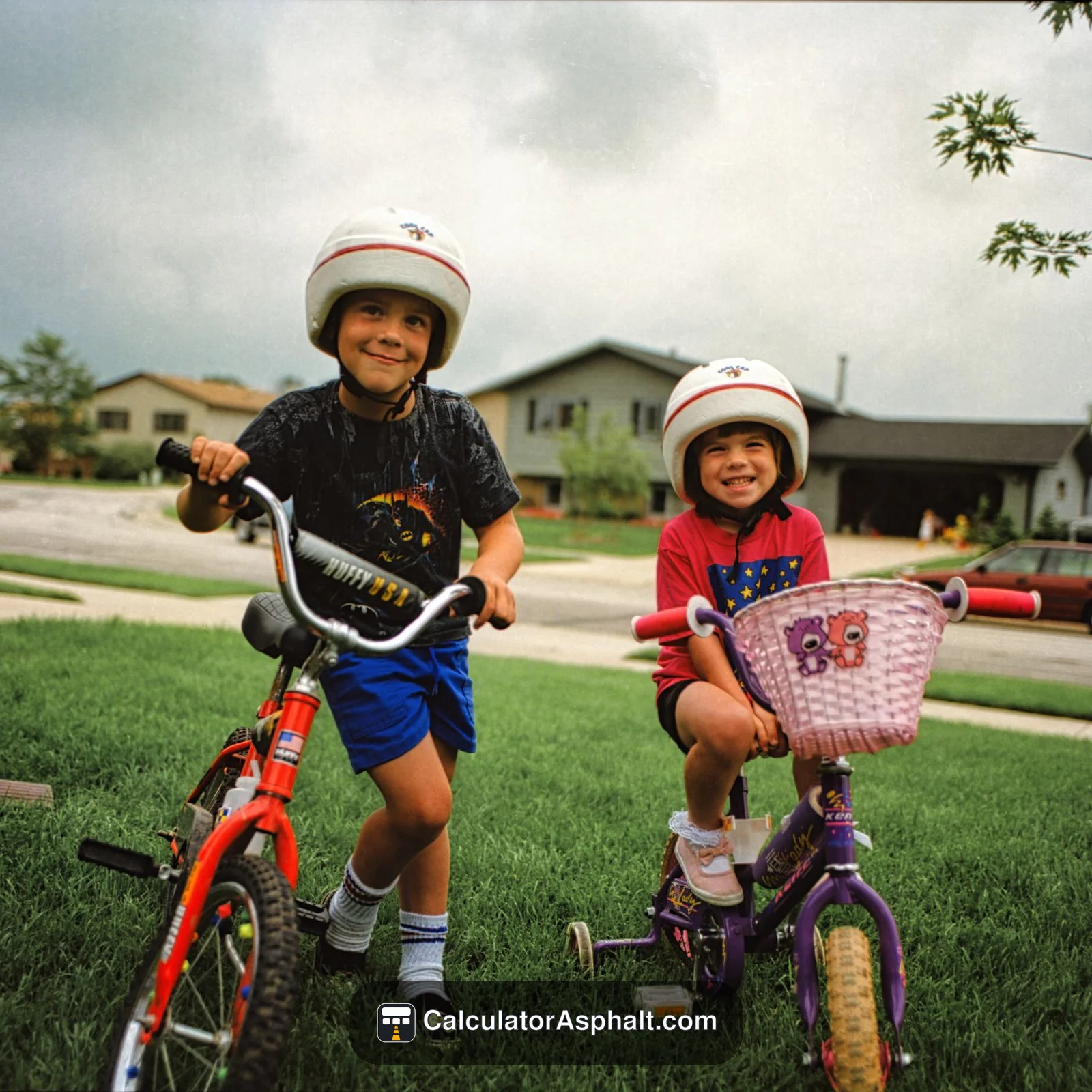
Every number here comes from the assumptions below, and every step shows its arithmetic. Count your own gear before you start.
Assumptions: three kids, eight items of gear each, from bikes to boots to helmets. Sorting takes two minutes per item. Three keepers fit in one bin. These are assumptions, not facts about your garage.
The sort: forty-eight minutes, twelve keepers
Sorting twenty-four items takes 24 items x 2 minutes = 48 minutes. Two minutes per item is enough to ask three questions: does it fit a child now, will it fit a child next season, and does someone else need it. In the example, the answers split the pile three ways: 12 items to keep, 8 items to pass on, and 4 items to throw away. Check the split: 12 + 8 + 4 = 24 items, the whole pile. Half the gear leaves the garage, and it leaves to children who can use it now. The sort takes forty-eight minutes, and it halves the pile.
The bins: twelve keepers, four bins, six square feet
Three keepers fit in one bin, so twelve keepers need 12 / 3 = 4 bins. Four bins, each taking 1.5 sq ft of floor, cover 4 x 1.5 = 6 sq ft, which is a small corner of the garage, not a wall of storage. The bins are the cheapest kind, because the gear inside them will be outgrown in a season, and expensive storage for short-lived gear is money spent on the wrong thing. Four cheap bins, six square feet, and every keeper has a home.
The swap: twenty-four minutes, twice a year
The gear changes twice a year, and each swap takes 24 items x 1 minute = 24 minutes. Two swaps a year take 2 x 24 = 48 minutes a year, which is less than an hour to keep the garage current. Each swap asks the same three questions, and each swap passes on what no longer fits. A swap that takes twenty-four minutes is a swap that happens, and a swap that happens keeps the garage from filling up again.
The time: seventy-one minutes, ten hours a year back
Labelling four bins takes 4 x 2 minutes = 8 minutes. Moving the bins into place takes 15 minutes. Add the sort at 48 minutes, and the whole job takes 48 + 8 + 15 = 71 minutes, which is 1 hour and 11 minutes, or one afternoon. The saving comes afterwards. Before the sort, finding gear takes about 3 minutes per search, and a family makes about 6 searches a week: 6 x 3 = 18 minutes a week, and 18 x 52 = 936 minutes a year, which is 936 / 60 = 15.6 hours a year. After the sort, finding gear takes about 1 minute, because every keeper has a labelled bin: 6 x 1 = 6 minutes a week, and 6 x 52 = 312 minutes a year, which is 312 / 60 = 5.2 hours a year. The saving is 15.6 – 5.2 = 10.4 hours a year, or about 10 hours, for one afternoon and four cheap bins.
Keep everything or swap often
The choice is not which one is kinder. It is which one keeps the garage usable.
| Choice | What happens | Best for | Watch out for |
|---|---|---|---|
| Store cheap, swap often | Twelve keepers in four bins, and the rest passed on twice a year | Every family whose kids outgrow gear every season | The swap must happen twice a year, and the date must be fixed |
| Keep everything | Three seasons of gear in the garage, and only one season fits any child | Nothing: this is the trap to avoid | The garage fills with sizes, and the sizes help nobody |
| Pass on to family | Eight items go to cousins, friends, or neighbours who need them now | Gear that is still good and fits another child | The handover must happen the same week, or the pile comes back |
| Donate | Gear goes to a charity shop or a school, and the garage clears | Gear that is worn but usable | The bag must leave the garage the same day, or it becomes storage |
| Expensive storage | Matching bins that last for years and hold gear for a season | Nothing: this is the trap to avoid | Storage that outlasts the gear inside it is money spent on the wrong thing |
The right answer is cheap bins and a fixed swap date, twice a year. The gear moves on, the garage stays current, and the storage costs almost nothing.
How to store kids' gear cheap and swap it often
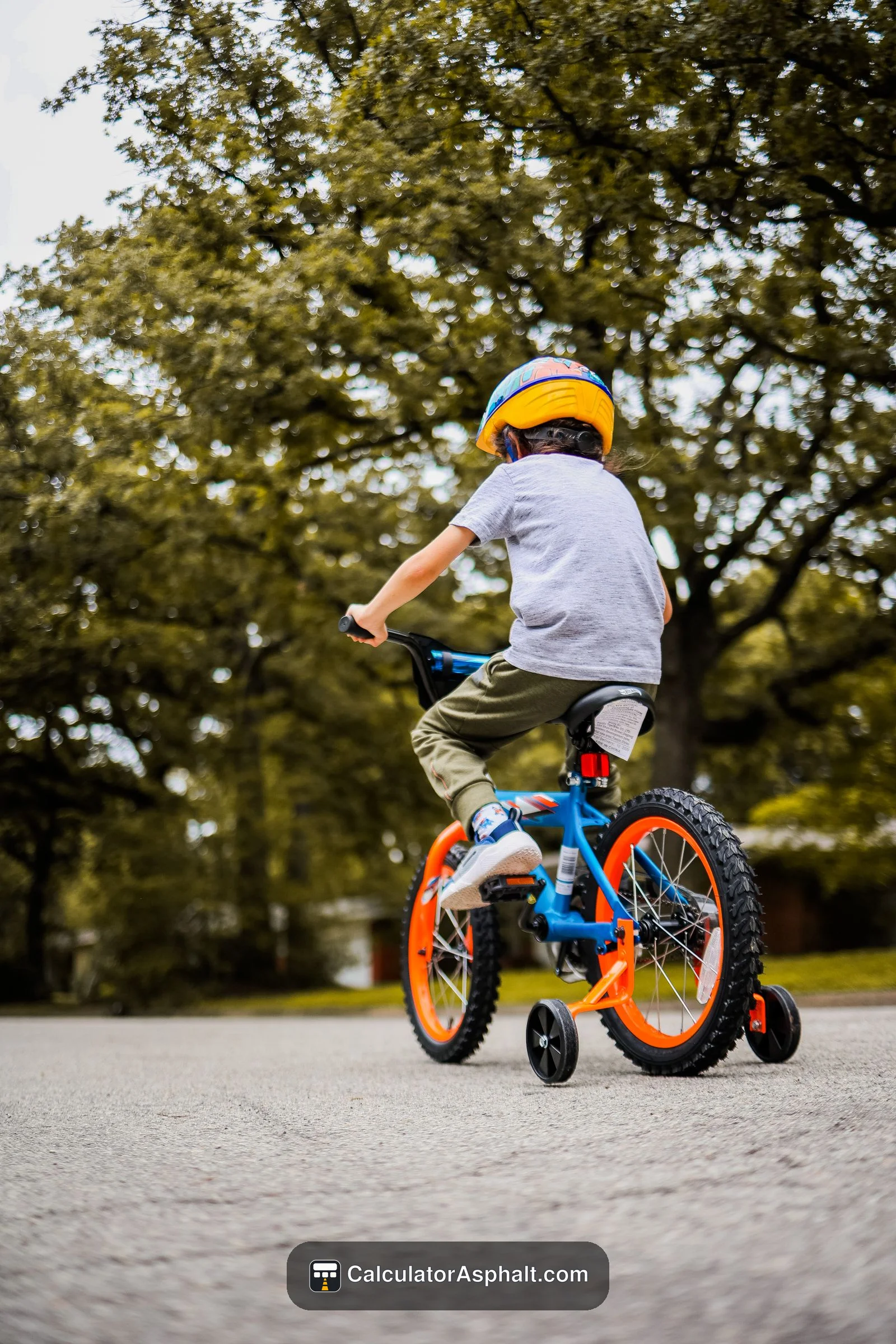
Start by pulling all the gear out, not by shopping. Lay the twenty-four items on the floor where you can see them all at once, and sort into three piles: keep, pass on, and throw away. Two minutes per item, no second thoughts, and no maybe pile. A maybe pile is a pile that stays.
Count the keepers, then divide by three. Twelve keepers at three per bin is four bins, and four is the number to buy. Buy the cheapest bins that stack, because the gear inside them will be outgrown in a season.
Label every bin by child and season, in plain words. A label takes two minutes and saves a search every time the gear is needed, because a labelled bin tells you whose gear is inside and which season it fits. Put the label where you can read it from the door.
Fix the swap dates now, before the first swap is forgotten. The first Saturday of April and the first Saturday of October, every year, and every child tries on every item. A fixed date is a swap that happens, and a swap that happens keeps the garage current. Write the dates on the bins, so the bins remind you.
Field checklist: before the first swap
Use this checklist in order.
- Count the kids' gear in the garage, and write the number down.
- Sort every item into keep, pass on, and throw away, and count each pile.
- Bag the pass-on pile and hand it over the same week.
- Bag the throw-away pile and take it out the same day.
- Divide the keepers by three, and buy that many cheap bins.
- Label every bin by child and season, in plain words.
- Stack the bins two high, heaviest at the bottom, where kids can reach them.
- Fix the swap dates: the first Saturday of April and the first Saturday of October.
- Check the freed floor: walk the space the outgrown gear used to cover.
- Agree the rule with everyone in the house: outgrown gear leaves at the next swap.
Mistakes that fill the garage with sizes
Keeping everything just in case is the first mistake. A bike that fits no child is a bike that helps no child, and the garage is the most expensive place to store it. Keep what fits now and what fits next, and pass the rest on.
Buying expensive storage for short-lived gear is the second mistake. A bin that lasts for years holding gear that lasts for a season is money spent on the wrong thing. Cheap bins, swapped often, beat dear bins kept forever.
Skipping the swap date is the third mistake. A swap without a date is a swap that never happens, and a swap that never happens is a garage that fills up again. Fix the dates, write them on the bins, and keep them.
Leaving the pass-on pile in the garage is the fourth mistake. A bag by the door is a handover waiting to happen. A bag in the corner is storage, and it will still be there in six months. Hand it over the same week.
Storing gear where kids cannot reach it is the fifth mistake. Gear on a high shelf is gear that stays on the shelf, and a child who cannot reach a helmet will not wear it. Bins go where kids can reach them, and the gear gets used.
Frequently asked questions
What if I plan to have another child?
Keep the next size up, and only the next size up. One size ahead is planning. Three sizes ahead is a warehouse. Label the next-size bin clearly, and pass on everything smaller than the youngest child and bigger than the next size.
What if the gear is too good to give away?
Then pass it to someone you know, not to a stranger. A bike given to a cousin comes back as a favour, and a bike given to a neighbour comes back as goodwill. A bike kept in the garage comes back as clutter.
What if the kids share gear?
Label the bin by size, not by child. A shared bin holds the size, and any child of that size uses it. The sort asks the same three questions, and the swap checks the same sizes. Sharing makes the arithmetic easier, not harder.
How do I keep the garage current?
Check it at every swap, twice a year, for twenty-four minutes. A keeper that no longer fits goes in the pass-on pile, and a new item gets a bin and a label the day it arrives. A garage swapped twice a year stays current, and a garage swapped never fills up with sizes.