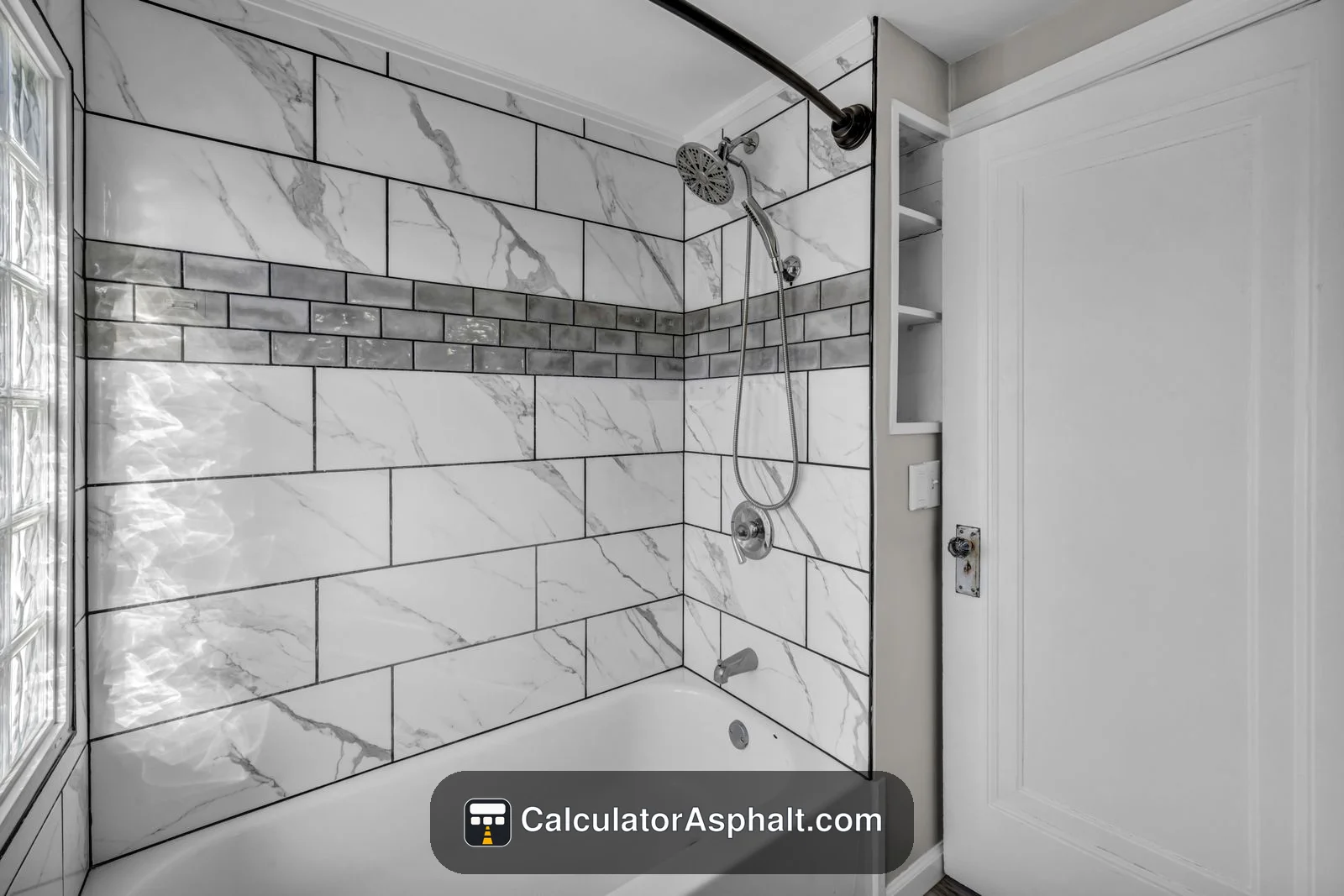
A small bathroom looks like a small job. Five feet by eight feet, one shower, one toilet, one vanity. The budget follows the same logic: a small room should cost a small amount. Then the tile comes off and the logic falls apart. The shower valve is twenty years old and seized. The subfloor under the toilet is soft. The vanity drain is in the wrong place for the new vanity. Each surprise is small on its own, and together they are a third of the budget nobody set aside.
The fix is to budget the bathroom the way plumbers do: by the wettest thing in the room first. The shower is the most expensive part of a small bathroom, not the prettiest, and it is the part the budget usually forgets. Price the shower, the fixtures, the tile, the labor, and the contingency as five separate lines before demolition starts. This article walks through that budget with one worked example, shows the arithmetic line by line, and flags the places where a small bathroom budget usually breaks.
The decision first: budget the shower first, not last
Most bathroom budgets start with the vanity, because the vanity is what the homeowner has been looking at in the store. The vanity is the wrong place to start. It is the cheapest fixed item in the room and the easiest to change later. The shower is the most expensive fixed item and the hardest to change once the tile is up. It involves the valve, the drain, the waterproofing, the tile, and the door or curtain, and every one of those is a separate purchase.
So decide this before you buy anything: write down the shower line first, then the fixtures, then the tile, then the labor, then the contingency. If the shower line is bigger than expected, it is better to know that before the vanity is ordered than after the tile is laid. A budget that prices the shower last is a budget that discovers the shower's cost when it can no longer afford it.
What to count
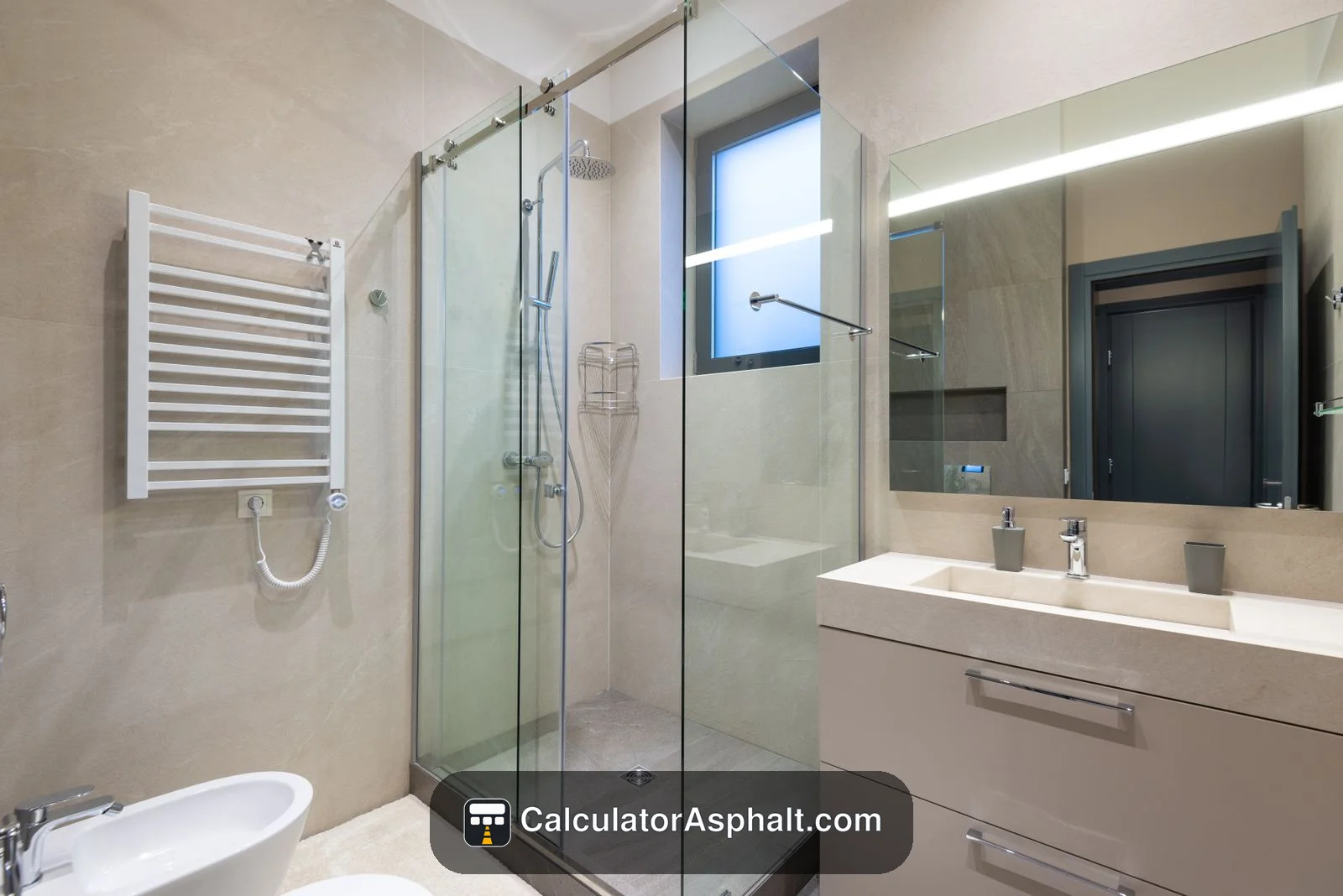
You need a tape measure, the bathroom's dimensions, and a list of every line the remodel touches:
- The shower or tub. Measure the shower footprint and the wall height the tile will reach. List the valve, the shower head, the drain, the waterproofing, and the door or curtain. The valve is the part that hides in the wall, and it is the part that costs the most to replace later.
- Fixtures and vanity. List the toilet, the vanity, the faucet, the mirror, and the lighting. The toilet and vanity are the two items most often bought on looks alone, and both have installation costs that do not appear on their price tags.
- Tile. Measure the floor area and the shower wall area separately, because they are different quantities at different prices. Floor tile and wall tile are often different products, and the shower walls usually need more tile than the floor.
- Labor. Count every trade separately: demolition, plumbing, electrical, tiling, and painting. In a bathroom, the plumber and the tiler are the two largest labor lines, and both should be quoted separately so either can be checked.
- Contingency. Fifteen percent of the total for a bathroom, not ten. Bathrooms hide more surprises per square foot than any other room, because everything wet lives behind tile and under floors. The contingency is for the soft subfloor and the seized valve, and both are common.
Do not budget a bathroom by the square foot. A small bathroom has the same number of expensive fixed items as a large one — one shower, one toilet, one vanity — packed into less space. Square-foot pricing makes small bathrooms look cheap and large bathrooms look expensive, and both readings are wrong.
Worked example: a 5-by-8-foot bathroom with a planning budget of $12,000
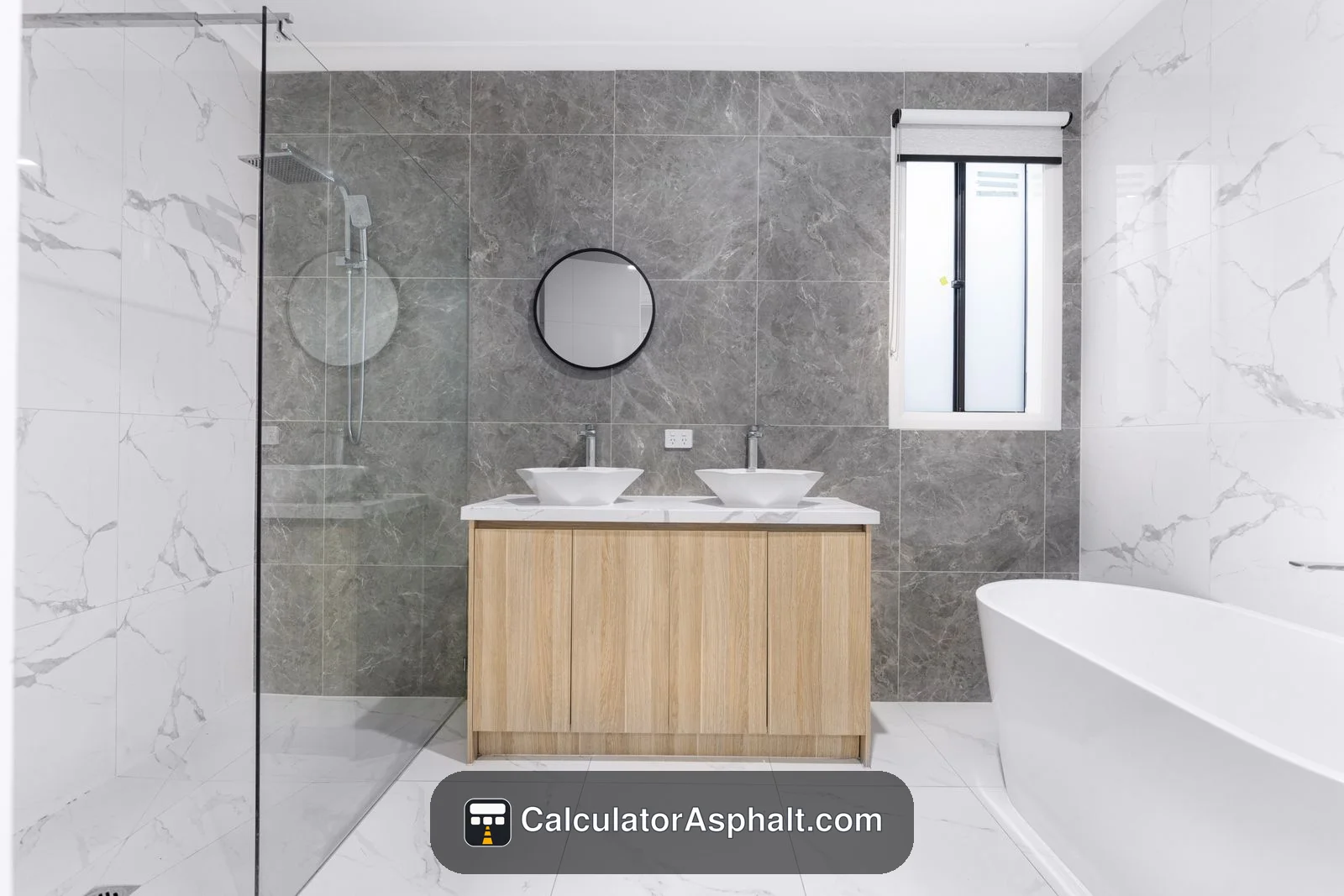
Take a small bathroom, 5 feet wide and 8 feet long, with a 3-by-5-foot shower at one end, keeping the existing layout. The homeowner sets a planning budget of $12,000 as an example figure — a number chosen to show how the shares work, to be replaced with the reader's own total. The budget is split into five lines by percentage, and each percentage is multiplied by the total.
Step 1: shower and tub, 25 percent. Twenty-five percent of $12,000 is $3,000. This covers the shower valve, the shower head, the drain, the waterproofing membrane, and the shower door. The valve alone is a significant part of this line, because a quality thermostatic valve costs more than a basic one and lasts longer.
Step 2: labor, 25 percent. Twenty-five percent of $12,000 is $3,000. This covers demolition, plumbing, electrical, tiling, and painting. The plumber's share is the largest part of this line, because moving or replacing a valve and a drain is skilled work in a tight space. The tiler's share is next, because a small bathroom has more tile edges and corners per square foot than a large one.
Step 3: fixtures and vanity, 20 percent. Twenty percent of $12,000 is $2,400. This covers the toilet, the vanity, the faucet, the mirror, and the lighting. The toilet and vanity are the two biggest items in this line, and both need installation.
Step 4: tile, 15 percent. Fifteen percent of $12,000 is $1,800. This covers the floor tile and the shower wall tile, plus adhesive, grout, and sealer. The tile quantity is worked out below, because tile is one of the few bathroom lines where the arithmetic can be checked exactly before ordering.
Step 5: contingency, 15 percent. Fifteen percent of $12,000 is $1,800. This money belongs to nobody until something goes wrong, and in a bathroom something usually does. A soft subfloor under the toilet might cost $900 to repair and a seized shower valve $600 to replace, as example figures. The contingency covers both and still has $300 left.
Total: $3,000 + $3,000 + $2,400 + $1,800 + $1,800 = $12,000. Check the percentages: 25 + 25 + 20 + 15 + 15 = 100. The budget balances, and every line has a name and a number.
Tile check. The floor is 5 × 8 = 40 square feet. The shower walls run to 6 feet high around a 3-by-5-foot shower, so the wall perimeter is 3 + 5 + 3 + 5 = 16 feet, and the wall area is 16 × 6 = 96 square feet. Floor plus walls is 40 + 96 = 136 square feet. Add ten percent for cuts and breakage: 136 × 1.10 = 149.6 square feet, rounded to 150. At one square foot per 12-by-12-inch tile, the room needs 150 tiles, or 15 boxes of 10. If the tile line of $1,800 is divided by 150 square feet, the budget allows $12 per square foot for tile, adhesive, grout, and sealer combined.
Notice what the example shows. The shower and the labor together are half the budget, and neither is the thing the homeowner was picturing when the remodel was first imagined. The vanity, the most visible item in the room, is one line of five. A budget built around the vanity is a budget for a fifth of the bathroom.
Decision table: how the budget moves
| Choice | Shower | Labor | Contingency | What changes |
|---|---|---|---|---|
| Keep the layout, standard fixtures | 25% | 25% | 15% | The baseline in the worked example |
| Move the toilet or shower drain | 25% | 35% | 20% | Plumbing labor rises sharply; contingency rises because the floor opens |
| Walk-in shower instead of a tub | 30% | 30% | 15% | Waterproofing and glass rise; the tub's cost moves into the shower line |
| Budget fixtures, keep the layout | 25% | 25% | 15% | Fixture line falls to 15%; the saving stays in the budget |
| No contingency, quote-only budget | 25% | 25% | 0% | The first soft subfloor is paid from the tile line or from credit |
Where bathroom budgets go wrong
Spending the contingency on a nicer mirror. The contingency is not for upgrades. It is for the soft subfloor and the seized valve. The mirror is a fixture, and it belongs in the fixture line. The moment the contingency is spent on something visible, the next invisible problem has nowhere to go.
Field checklist: before you demolish anything
- Shower line written down first: valve, head, drain, waterproofing, door or curtain
- Fixtures listed: toilet, vanity, faucet, mirror, lighting, with installation noted
- Tile measured twice: floor area and shower wall area as separate numbers
- Labor quoted by trade: demolition, plumbing, electrical, tiling, painting
- Contingency set at fifteen percent and held separate from every other line
- Valve chosen with a front-serviceable cartridge, before the tile is ordered
- Layout decision written down and frozen before the budget is set
- Subfloor checked at the toilet base for softness before demolition day
Mistakes that cost a bathroom
The most expensive mistake is tiling over a valve that should have been replaced, and removing the tile six months later to fix it. The second is moving the toilet without budgeting the plumbing, which turns a twenty-five-percent labor line into a thirty-five-percent one overnight. The third is ordering tile by the floor area alone and running out halfway up the shower walls, which means a second order from a different batch that does not quite match. The fourth is spending the contingency on the mirror and finding the soft subfloor with no money left for the repair. Every one of these is a budgeting mistake, not a building mistake, and every one is fixed with a notepad before the first tile comes off the wall.
Frequently asked questions
Why is contingency fifteen percent for a bathroom and ten for a kitchen?
Because bathrooms hide more per square foot. Every wet connection in a bathroom lives behind tile or under flooring, and the subfloor under a toilet is the most commonly rotted timber in a house. Ten percent is the planning minimum for a kitchen. Fifteen percent is the planning minimum for a bathroom, and twenty percent is safer when the house is old or the layout moves.
Should I move the toilet to improve the layout?
Only if the improvement is worth fifteen percent of the budget. Moving a toilet means moving a drain, which means opening the floor, and the labor and contingency lines both rise. In a small bathroom, moving the toilet rarely gains enough space to justify the cost. Spend the money on a better shower instead, which is where the room is actually used.
Can I save money by keeping the old valve?
Only if it works smoothly and its cartridge is still available. Turn the valve on and off, feel for stiffness or grinding, and check whether the manufacturer still sells the cartridge. A valve that works today but cannot be serviced tomorrow is a tile-removal job waiting to happen. Replacing it before tiling costs a fraction of replacing it after.
How much tile does a small bathroom really need?
More than the floor suggests. In the worked example, the floor is 40 square feet and the shower walls are 96 square feet, so the walls need more than twice the tile the floor needs. Measure the floor and the walls separately, add ten percent for cuts, and order by the total. The wall tile is the quantity first-time budgets miss.