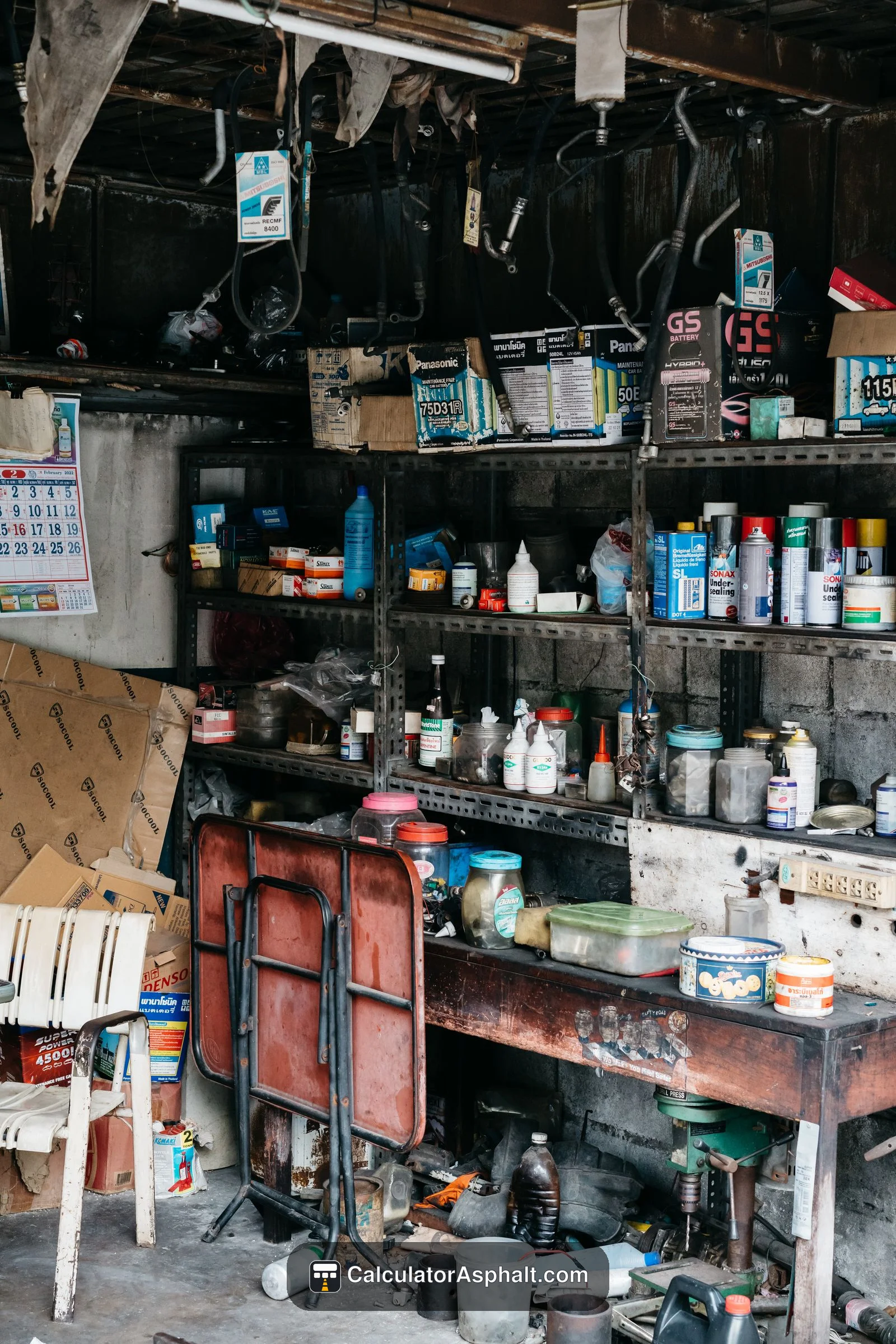
The garage is full, so the obvious answer looks like a trip to the store: bins, racks, hooks, and a shelving unit, all of which cost more than most of the things they would hold. That is the trap. The clutter in a tight-budget garage is usually not worth much, and the storage bought to contain it can easily cost more than the clutter itself. This guide is for the household that wants an organised garage, and it makes one promise: start with what you already own, and the garage gets tidier for almost nothing.
The fix is sorting first and storing second, using containers that are already in the house. This guide works through one example with real arithmetic, compares free storage with bought storage, and gives a step-by-step plan for organising forty items in one afternoon without buying a single bin.
The decision first
Sort everything before you buy anything, and store what is left in boxes, jars, and crates you already own. Buying storage first is backwards: you buy containers for things you are about to throw away, and half the containers end up empty. Sorting first cuts the pile nearly in half, and what is left fits in containers that are already sitting in the garage, the kitchen, or the loft.
Why the store trip comes first
The store trip comes first because it feels like progress. A cart full of matching bins looks like an organised garage, and it is satisfying to buy. But the bins do not sort anything. They arrive empty, they get filled with whatever is nearest, and the things that should have been thrown away get stored instead, in containers that cost money. The garage looks tidier for a week, and then the bins are full of clutter that was never worth keeping.
The second reason is that clutter feels bigger than it is. Forty loose items spread across the floor look like a mountain, and a mountain seems to need a shelving unit. Sorted, the same forty items are eighteen keepers, fourteen things to throw away, and eight things to give away. The keepers fit in thirteen containers you already own.
Worked example: forty items, almost nothing spent
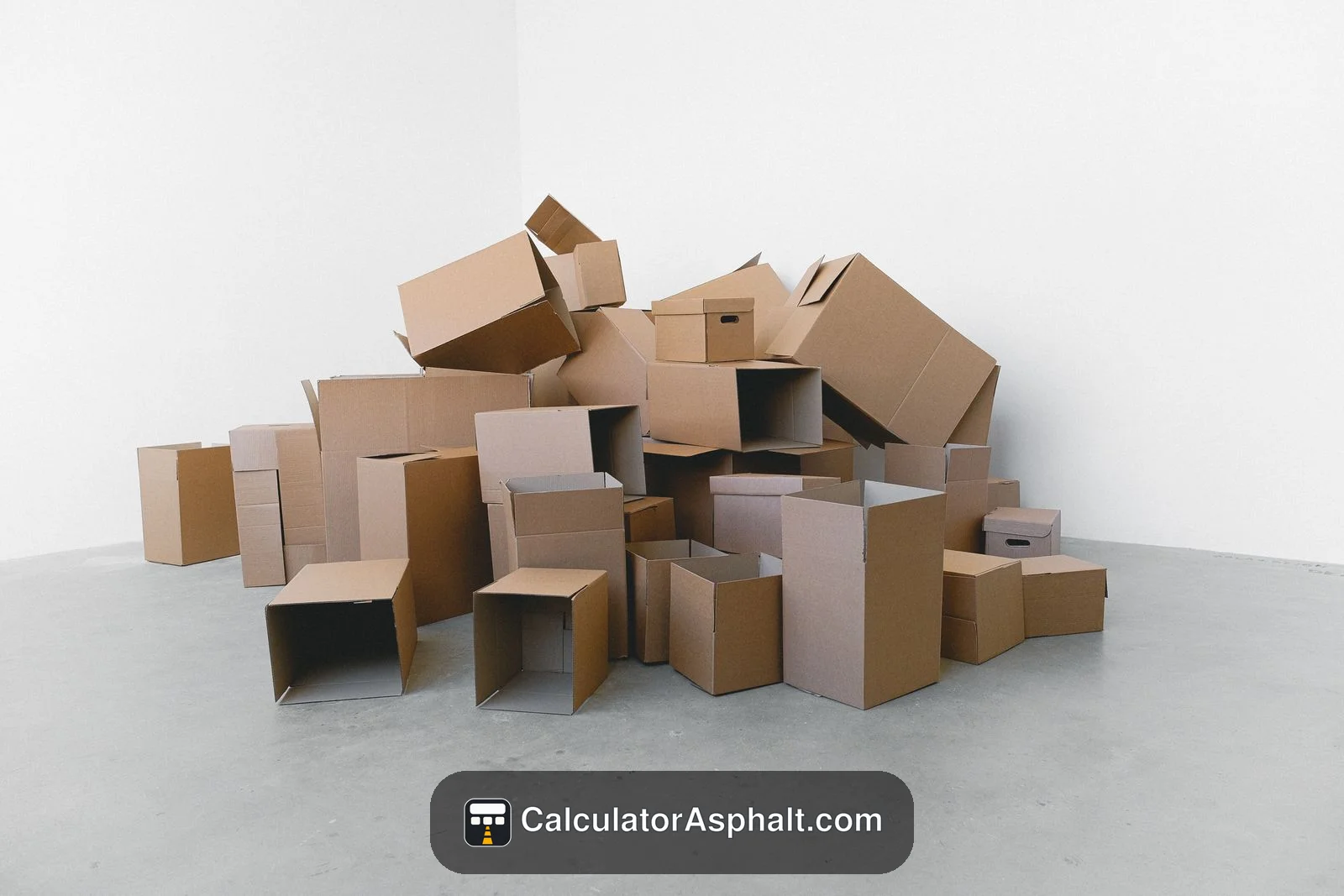
Every number here comes from the assumptions below, and every step shows its arithmetic. Count your own items before you start, and use your own containers.
Assumptions: forty loose items on the garage floor, from old paint tins to outgrown sports gear. Sorting takes two minutes per item. The house already holds six cardboard boxes, four jars, and three crates. These are assumptions, not facts about your garage.
The sort: eighty minutes, fourteen items out
Sorting forty items takes 40 items x 2 minutes = 80 minutes. Two minutes per item is enough to ask three questions: do I use this, does someone else need it, and would I buy it again. In the example, the answers split the pile three ways: 18 items to keep, 14 items to throw away, and 8 items to give away. Check the split: 18 + 14 + 8 = 40 items, the whole pile. More than half the pile leaves the garage, and it leaves without a single container being bought. The sort is the whole job; everything after it is tidying.
The containers: thirteen, all already owned
The eighteen keepers need homes, and the house provides thirteen: 6 cardboard boxes + 4 jars + 3 crates = 13 containers. Boxes take the big soft things, jars take the small hard things, and crates take the heavy things. Nothing is bought, nothing is ordered, and nothing is delivered. If your house holds fewer containers, use fewer: a keeper without a container goes on a shelf, and a shelf is also free. The point is that the containers come from the house, not the store.
The floor: sixty square feet down to ten
Forty loose items cover a lot of floor. At an average of 1.5 sq ft each, the pile covers 40 x 1.5 = 60 sq ft of garage floor. The thirteen containers, stacked two high where they can be, occupy 10 sq ft of floor. The floor freed is 60 – 10 = 50 sq ft, which is most of a parking space, won back without spending anything. The garage did not get bigger. The clutter got smaller, and the floor came back.
The time: two hours and sixteen minutes, thirteen hours a year back
Labelling thirteen containers takes 13 x 2 minutes = 26 minutes. Moving the containers into place takes 30 minutes. Add the sort at 80 minutes, and the whole job takes 80 + 26 + 30 = 136 minutes, which is 2 hours and 16 minutes, or one afternoon. The saving comes afterwards. Before the sort, finding things takes about 4 minutes per search, and a household makes about 5 searches a week: 5 x 4 = 20 minutes a week, and 20 x 52 = 1,040 minutes a year, which is 1,040 / 60 = 17.3 hours a year. After the sort, finding a thing takes about 1 minute, because every keeper has a labelled home: 5 x 1 = 5 minutes a week, and 5 x 52 = 260 minutes a year, which is 260 / 60 = 4.3 hours a year. The saving is 17.3 – 4.3 = 13 hours a year, for one afternoon and no spending.
Free storage or bought storage
The choice is not which one looks better. It is which one the clutter is worth.
| Choice | What happens | Best for | Watch out for |
|---|---|---|---|
| Boxes and jars you own | Keepers get homes today, for nothing, and the sort decides what fits | Every garage where the clutter is worth less than the storage | Cardboard fails in damp garages, so keep boxes off the floor |
| Bought bins | Matching containers that stack neatly and last for years | Keepers that are genuinely worth protecting, such as tools and seasonal gear | Bins bought before sorting end up half empty, and empty bins are wasted money |
| Crates you own | Heavy things get a strong home that already exists | Paint tins, tools, and anything heavy | Crates are open, so small things fall out unless they are bagged first |
| Bags | Rubbish and donations leave the garage in one trip | Everything the sort says to throw away or give away | A bag left in the garage becomes storage, so take it out the same day |
| Shelving bought first | Everything gets a shelf before anything is sorted | Nothing: this is the trap to avoid | A shelf full of clutter is a tidy-looking pile, and it cost money |
The right answer is free storage first, and bought storage later, only for the keepers that earn it. Sort, store free, and then look at what is left: if a keeper deserves a bought bin, buy one bin, not ten.
How to organise for almost nothing
Start by pulling everything out, not by shopping. Lay the forty items on the floor where you can see them all at once, and sort into three piles: keep, throw away, and give away. Two minutes per item, no second thoughts, and no maybe pile. A maybe pile is a pile that stays.
Gather the containers next. Walk the house once and collect every usable box, jar, and crate. Count them before you assign anything, because the count decides how the keepers are grouped. In the example, thirteen containers hold eighteen keepers, so some containers hold two things, and that is fine.
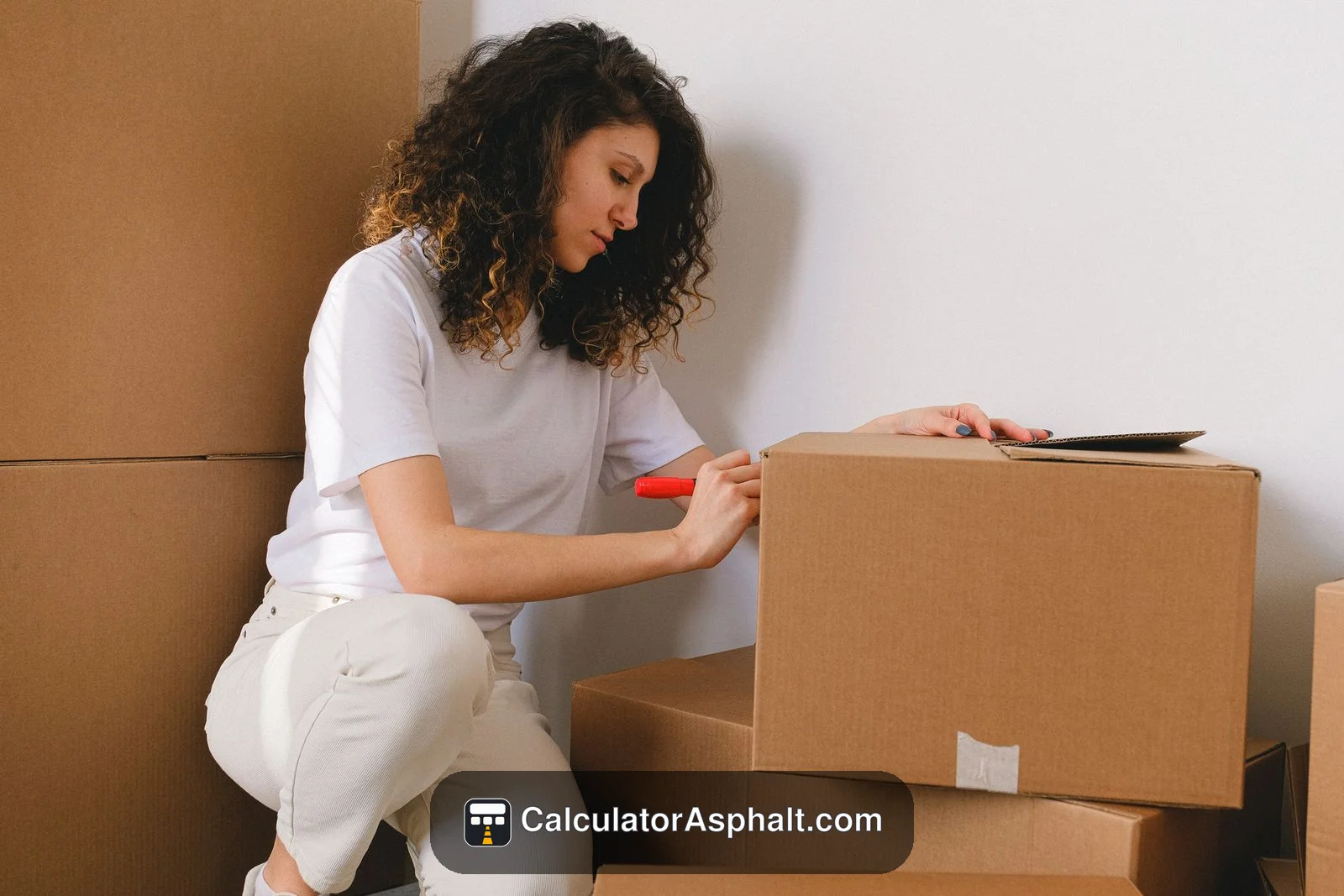
Label every container before you fill it. A label takes two minutes and saves a search every time, because a labelled box tells you what is inside without opening it. Write the contents on the outside in plain words, and put the label where you can read it from the door.
Stack by weight, not by size. Heavy crates go on the floor, light boxes go on top, and jars go where they cannot be knocked over. A stack that falls over is worse than a pile.
Field checklist: before you spend anything
Use this checklist in order.
- Count the loose items on the garage floor, and write the number down.
- Sort every item into keep, throw away, and give away, and count each pile.
- Bag the throw-away pile and take it out the same day.
- Bag the give-away pile and put it by the door for the next trip out.
- Walk the house and collect every usable box, jar, and crate.
- Count the containers, and check the keepers fit in them.
- Label every container before you fill it, in plain words.
- Stack heavy containers on the floor and light ones on top, two high at most.
- Check the freed floor: walk the space the pile used to cover.
- Agree the rule with everyone in the house: a keeper goes back in its labelled container.
Mistakes that cost money
Buying storage before sorting is the first mistake. Bins bought for forty items hold eighteen keepers, and the rest stand empty. Empty bins are money on a shelf, and they stay empty because the clutter they were bought for is gone.
Keeping a maybe pile is the second mistake. A maybe pile is clutter with a nicer name, and it takes up the same floor. Every item is keep, throw away, or give away. There is no fourth pile.
Storing rubbish in good containers is the third mistake. A broken tool in a new bin is still a broken tool, and it now takes up a bin as well. The sort decides what is worth keeping, and the bin only holds what passed.
Leaving donation bags in the garage is the fourth mistake. A bag by the door is a delivery waiting to happen. A bag in the corner is storage, and it will still be there in six months. Take it out the same day.
Stacking too high is the fifth mistake. A stack of four boxes falls over, and the fall undoes the whole afternoon. Two high is enough, and a stable stack beats a tall one every time.
Frequently asked questions
What if I own no usable containers?
Look again before you buy. Kitchens hold jars, lofts hold boxes, and garages hold crates. If the house truly holds none, buy the smallest number that fits the keepers, after the sort, when you know the count. In the example, that number is thirteen, not twenty.
What if the keepers do not fit in the free containers?
Then the sort was too generous. Go through the keepers once more and ask the same three questions. A keeper that does not fit in a free container is often a keeper that should have been given away. If the keepers still do not fit, buy only the gap: three more bins, not ten.
Does cardboard survive in a garage?
Cardboard survives in a dry garage, and fails in a damp one. Keep boxes off the floor on a pallet or a scrap board, and keep them away from the wall where damp creeps in. Jars and crates take the damp corners, and boxes take the dry ones.
How do I keep the garage organised?
Check it once a month, for five minutes. A keeper in the wrong container goes back, an empty container gets filled or recycled, and anything new gets sorted the day it arrives. A garage checked monthly stays organised, and a garage checked never fills up again.