
A wheel rut, scattered stone and a washout can have different causes. Start with a slow walk down the driveway and record where each symptom starts. The notes help you decide what maintenance to request and keep a useful record after the next storm.
Jump to a section
Walk the drive in dry conditions
Map loose gravel, exposed base, wheel depressions and any soft area. Photograph each problem from a fixed landmark. Note the direction of travel and where vehicles turn or stop. Coordinate any inspection near the road from a safe position.
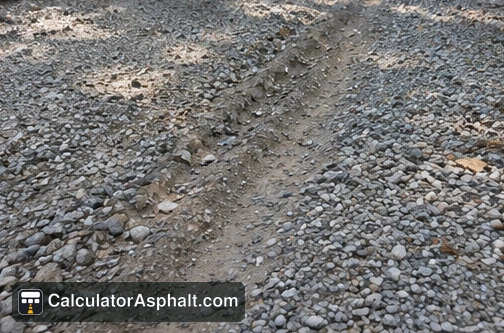
Compare the same spots after ordinary rain
Look for where water enters, crosses and leaves the drive. Examine whether a rut collects water or whether flowing water cut across the route first. Keep access clear where water or loose material affects traffic. Consultation is useful if a recurring problem reaches a roadside ditch or nearby property.
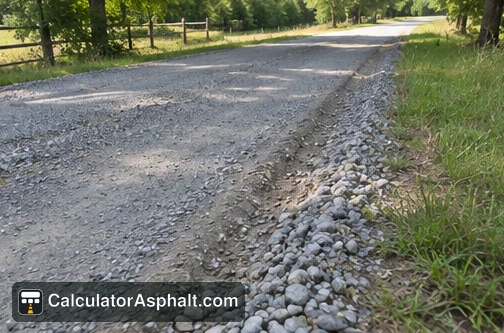
Match the scope to the pattern
Discuss grading, drainage and material condition with a driveway contractor. Ask whether the same base can support normal traffic, and what should be repaired before resurfacing. Request separate lines for new material, hauling, grading and work at the outlet.
Estimate the isolated area first
Two depressions each 18 ft by 1.5 ft cover 54 square feet on the sketch. Compare that surface area with the extent a contractor recommends repairing after inspection. Input only verified depth and area for an aggregate estimate and ask whether settlement or grading extends beyond the visible mark.
Track where the same problem returns
After an ordinary storm, use the same photograph locations as your dry-day walk. Mark the holes or ruts that appear in both sets and note anything that changed beyond their edges. Discuss the visible defect and its likely cause as separate lines with a contractor. Ask how the proposed repair will be checked after rainfall. A small materials estimate can still be useful if it is labeled with exactly the visible area it describes.
Is adding fresh gravel every year enough?
Compare past pictures and determine whether the problem returns in the same place. If it does, examine the drainage and assembly with a qualified contractor. Plan quantities after you understand whether the work is surface maintenance or a deeper correction.
Material calculators
Related project guides
- Gravel Driveway Flower Bed Borders: Keep Gravel and Mulch on Their Own Sides
- Gravel Driveway Washout: Trace Where Water Enters, Crosses and Leaves
- Bagged vs bulk gravel cost
Reference Federal Highway Administration gravel roads maintenance and drainage manual.