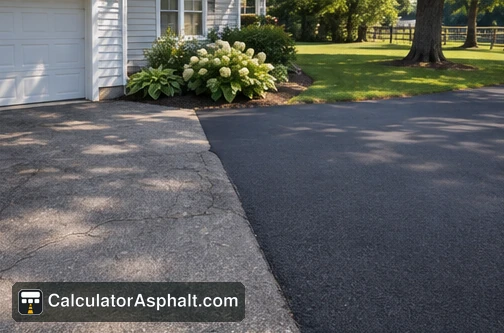
An asphalt extension creates a joint between an old surface and new work. That edge is also where an existing slope or weakness may become visible. Ask bidders to show how each side will be supported and how water will leave the finished drive.
Jump to a section
Document the existing edge
Photograph cracks and crumbling sections before the site changes. Mark widths from fixed objects and note vehicle movement. Request an assessment of whether any existing material needs to be removed or repaired before the extension is tied in.
Compare two seam locations
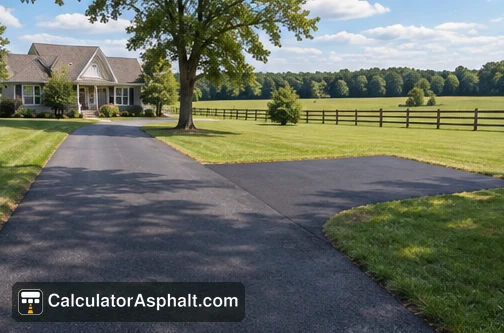
Draw a straight extension line and try an alternate position that avoids a tight turning point or an existing low spot. Ask how every proposed layout affects excavation, edges and support. Get the intended finished elevations, especially where the additional width changes the flow path.
Put the seam detail in the bid
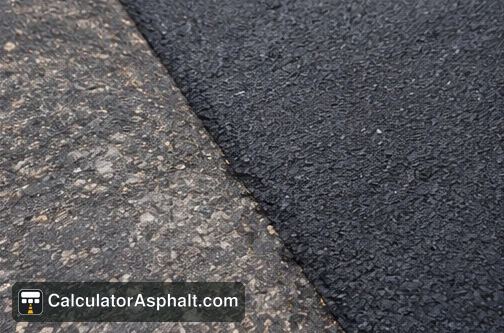
Ask each contractor to describe the proposed preparation, base and surface, including how the old and new work meet. Confirm whether removal, disposal, access and restoration are included. Ask how they will address an unsuitable edge discovered during work and how they price a change.
Example for a 5 ft extension
A 5 ft by 24 ft strip adds 120 square feet. Measure any flare, curved tip or triangle independently. The finished paving dimensions feed the quantity estimate, but ask whether excavation and base extend beyond that finish area. Compare written bids on the same drawing.
Compare written quotes for the same finished shape
Give each bidder the same drawing, photos and vehicle-use assumptions. Ask for separate lines for the existing edge treatment, the new paving assembly, disposal and restoration. Confirm who checks finished drainage and what change requires approval before proceeding. Request visible evidence of site preparation where work will be covered. Keep proposals and sample materials together, then compare costs for matching scope instead of assuming two estimates describe the same work.
Will the new strip look like the original drive?
Ask about material and normal color variation between different installation dates. Inspect the edge treatment and proposed profile before deciding whether appearance, drainage or a straight joint is the most important concern for the site.
Material calculators
Related project guides
- Gravel Driveway Washout: Trace Where Water Enters, Crosses and Leaves
- Side Parking Pad Layouts: Measure the Car With Its Doors Open
- Budget driveway extension ideas
Reference National Asphalt Pavement Association handbook on longitudinal joints.