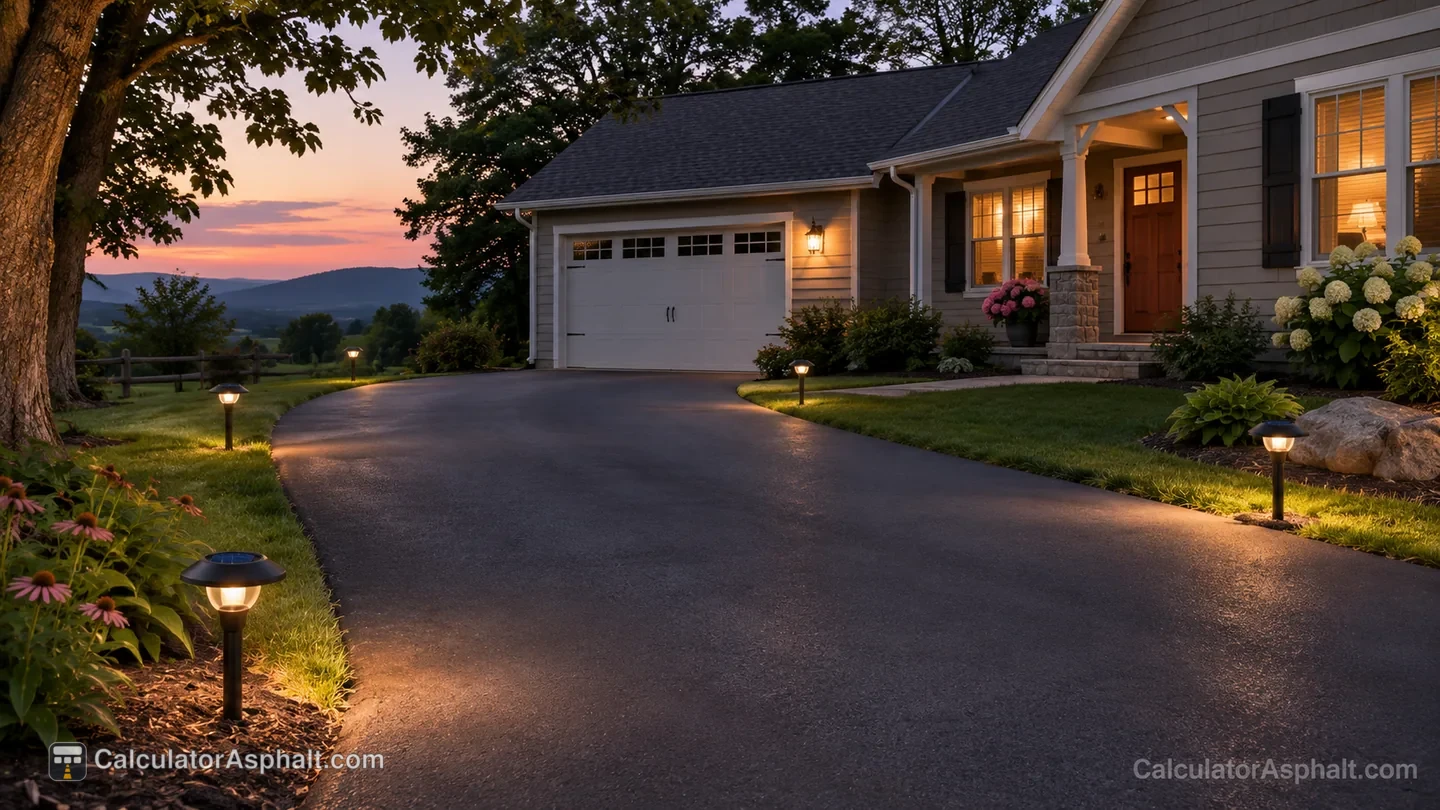
Start a driveway lighting plan at dusk. Walk from the street to the garage, then from the parked car to the front door. Note the entrance, turns and changes in level where a little light would make the route easier to read. These eight ideas cover useful lighting at each of those points and ways to limit glare. The images are AI-generated design illustrations.
Driveway lighting ideas for entrances and paths
1. Solar stake lights along a sunny border
Try a few solar stakes along a bright stretch of the driveway. Set them beyond the path of tires, doors, mowers and snowplows. Test them on a typical evening and again after a cloudy day before buying a full row. Compare the fixture’s daylight requirements, battery replacement and ease of cleaning. Solar stakes are best for marking an edge. Use dependable task lighting where people need to see a step or crossing.
2. Shielded path lights by the pedestrian route
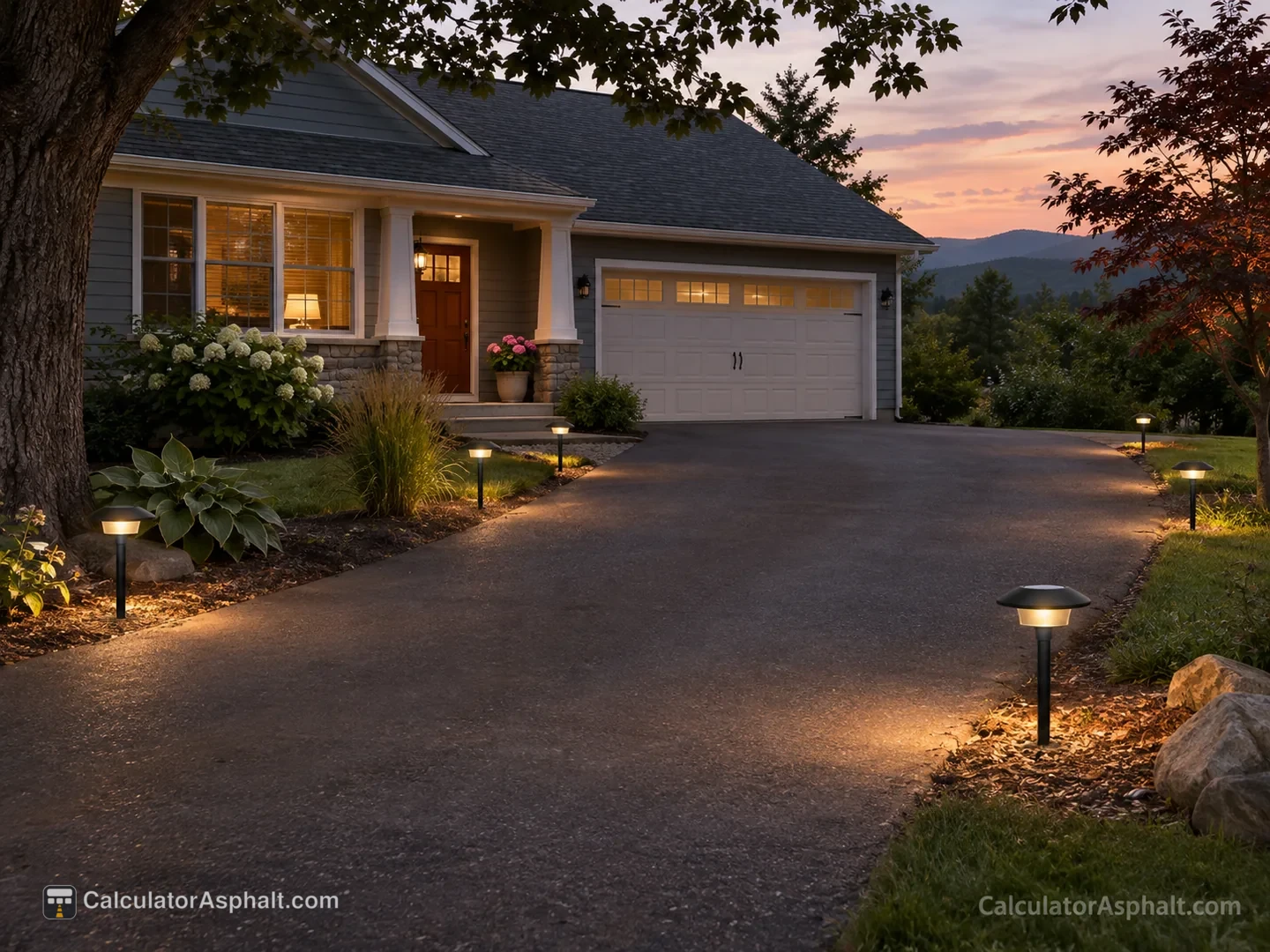
Put low, shaded fixtures on the walking route from the parked car to the house. Prioritize steps, bends and transitions between surfaces. A shielded cap directs light onto the path and hides the lamp from the driver’s view. Test position and aiming before installing a row. Clear leaves and check whether nearby plants have grown into the beam.
3. Low-voltage bollards at a wide turn
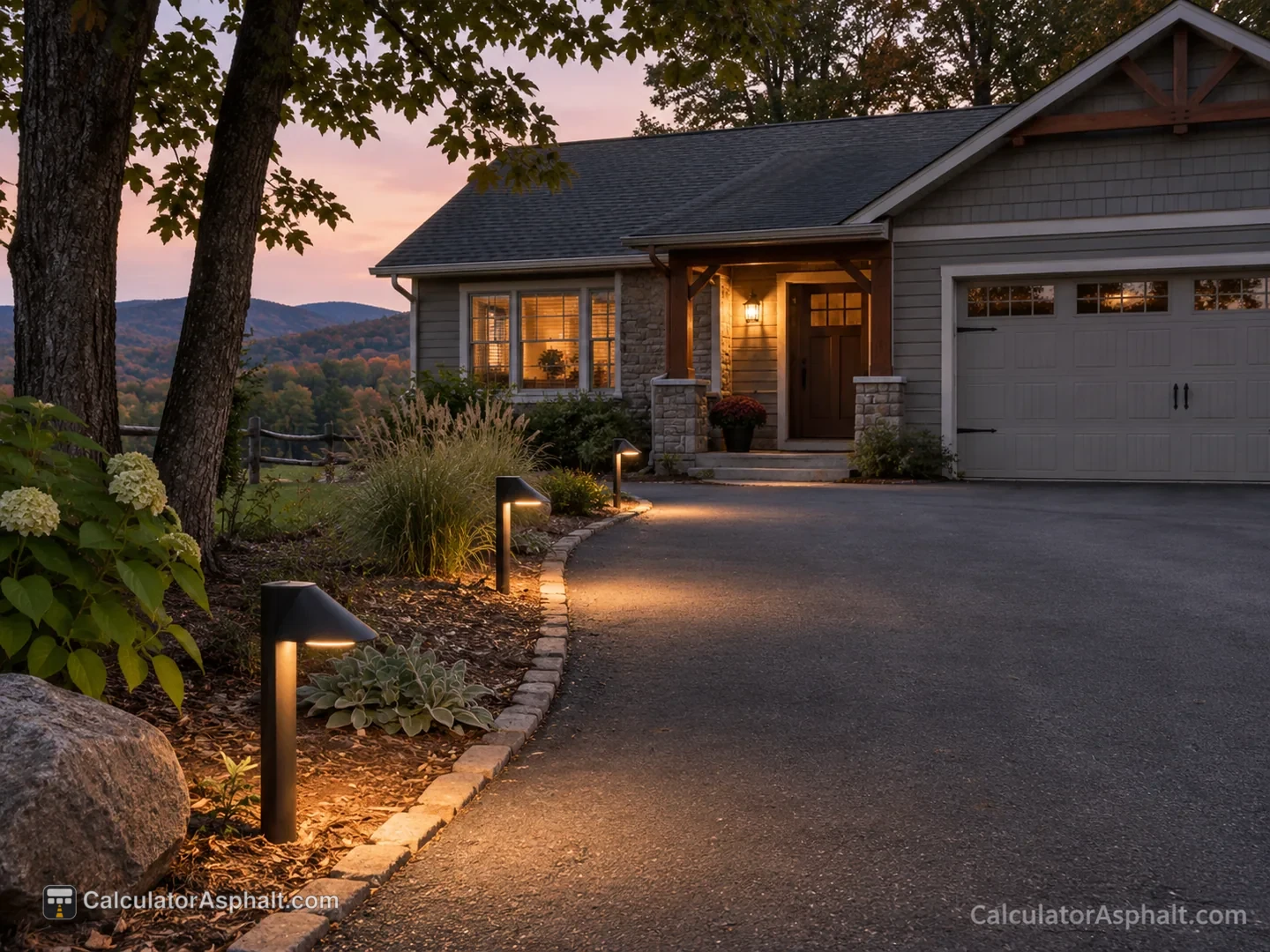
A low bollard can define a broad bend or parking bay where there is room beyond the vehicle path. Compare the fixture’s light pattern, weather suitability and mounting instructions. A low-voltage system also needs compatible fixtures, a power supply and controls. Follow the manufacturer’s limits and ask an electrician about the power source where necessary.
4. Downlighting from the garage
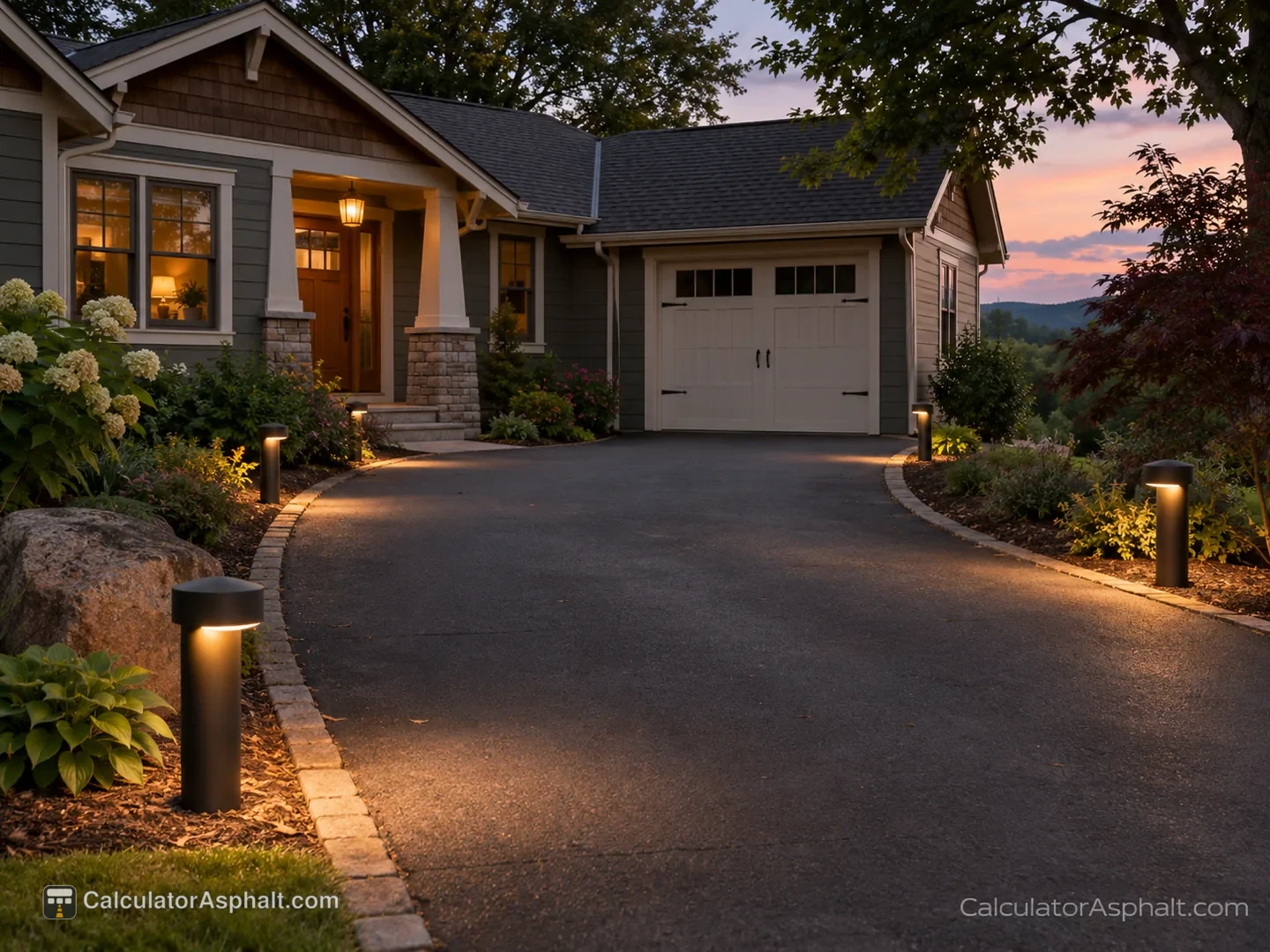
A shielded wall fixture can light the area where you park and unload. Check how the beam falls with a car parked and what a driver sees from the street. Use a suitable existing mounting location if it covers the task. A licensed electrician can assess a new mains-powered fixture or relocation. Wipe the lens and check the aim after work on the garage or siding.
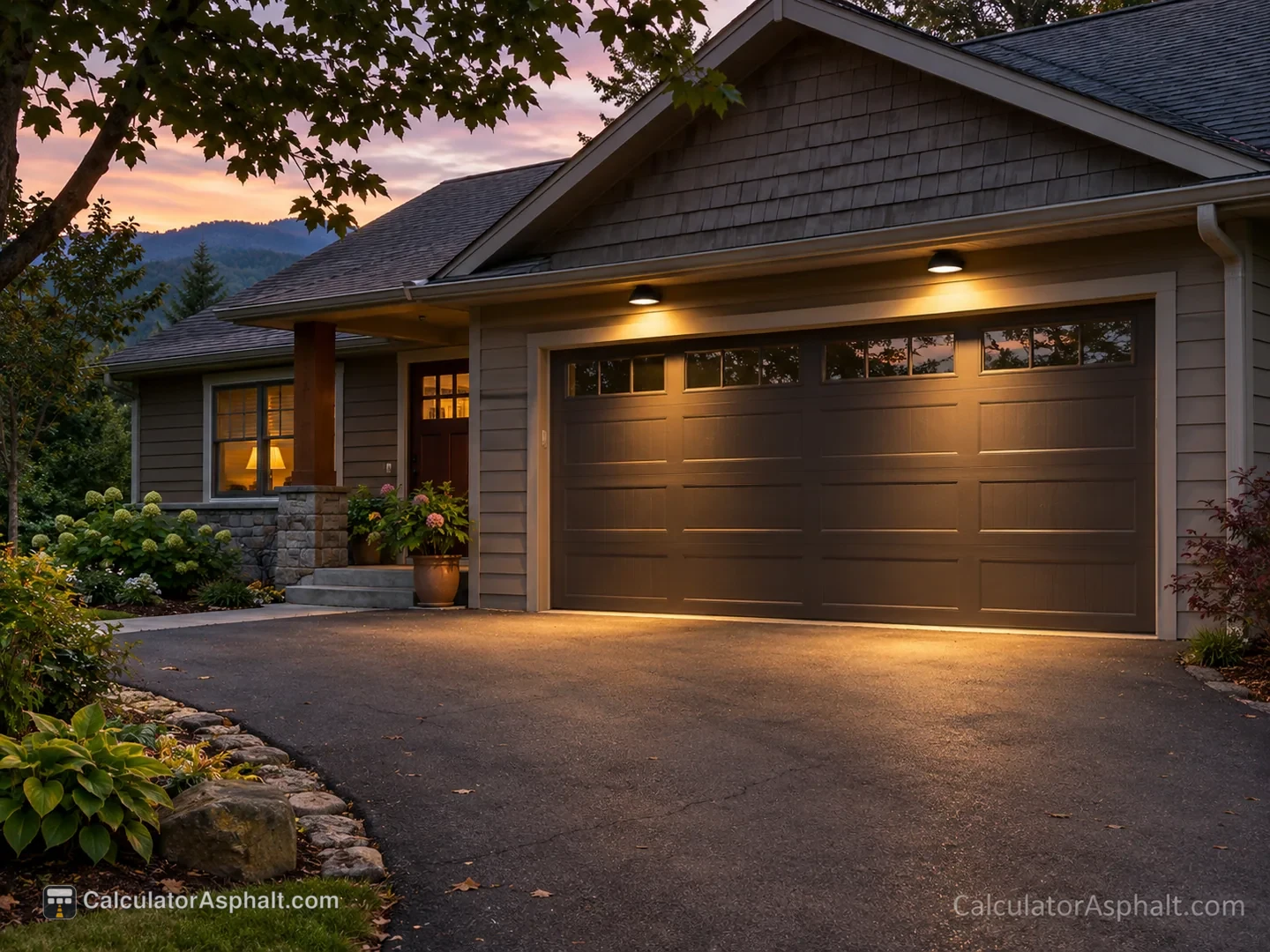
5. A matched pair of entrance markers
Two low markers can define the entrance where the driveway meets a dark lawn or garden. Keep fixtures far enough back for turning and snow clearance, and check local rules before placing anything near a public sidewalk or street. Compare reflective markers where a visible boundary would serve the same purpose. View the setup from both directions after dark.
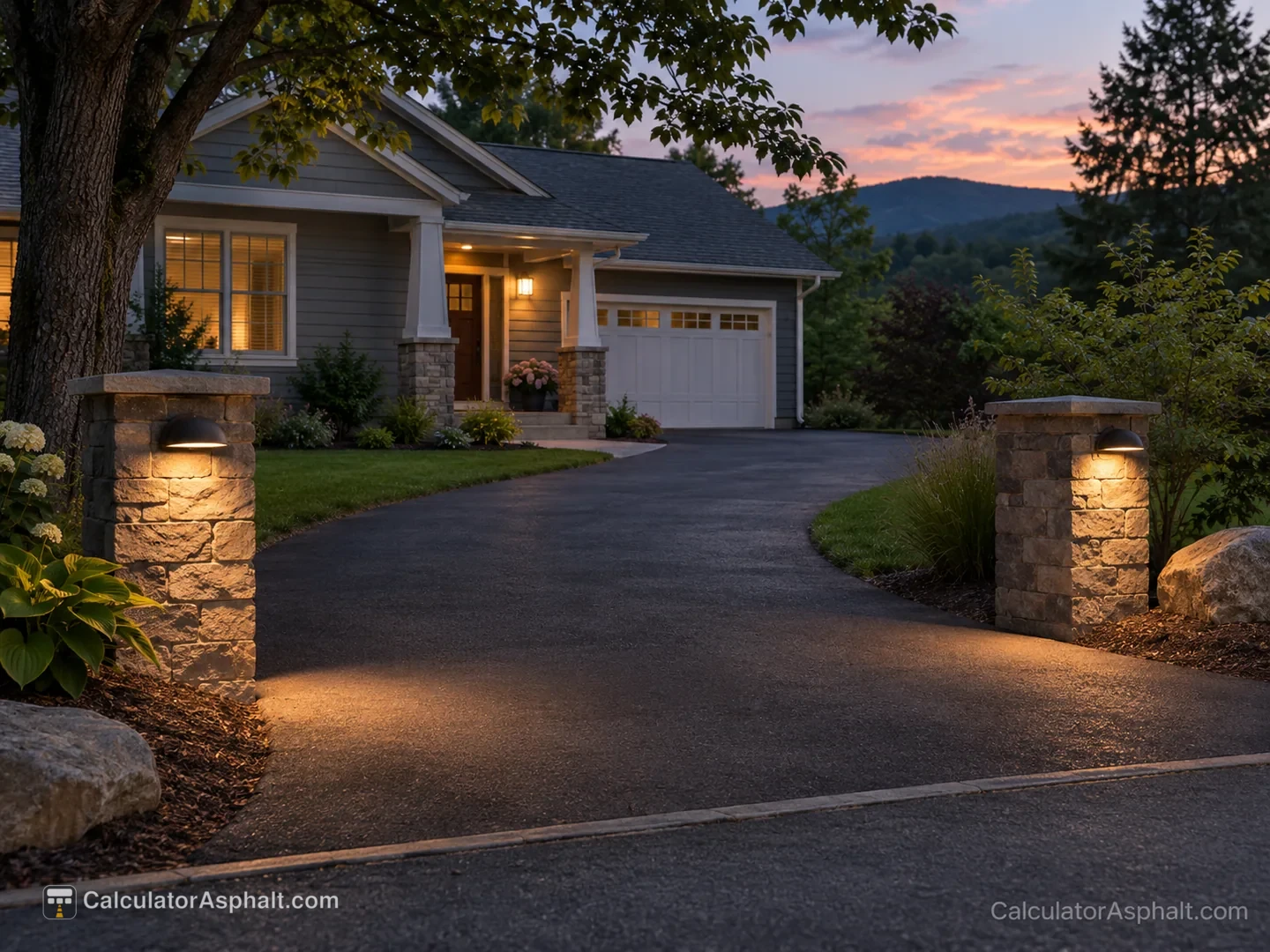
6. A warm accent on a fixed feature
A warmly lit wall or planting feature can help guests recognize the entrance. Favor downlighting and confine the beam to its target. Keep direct light out of drivers’ eyes and neighboring windows. A dim fixture on a timer can cost less to operate than leaving an oversized light on. Re-aim it as plants or site conditions change.
7. A few lights beside a planting bed
Set fixtures where the bed can soften their daytime appearance without hiding the beam. Allow for mature plant spread, lawn maintenance and access for cleaning. A shaded bed may suit a wired low-voltage system, while a sunny border can work with independent solar stakes. Start where the bed curves or meets a footpath.
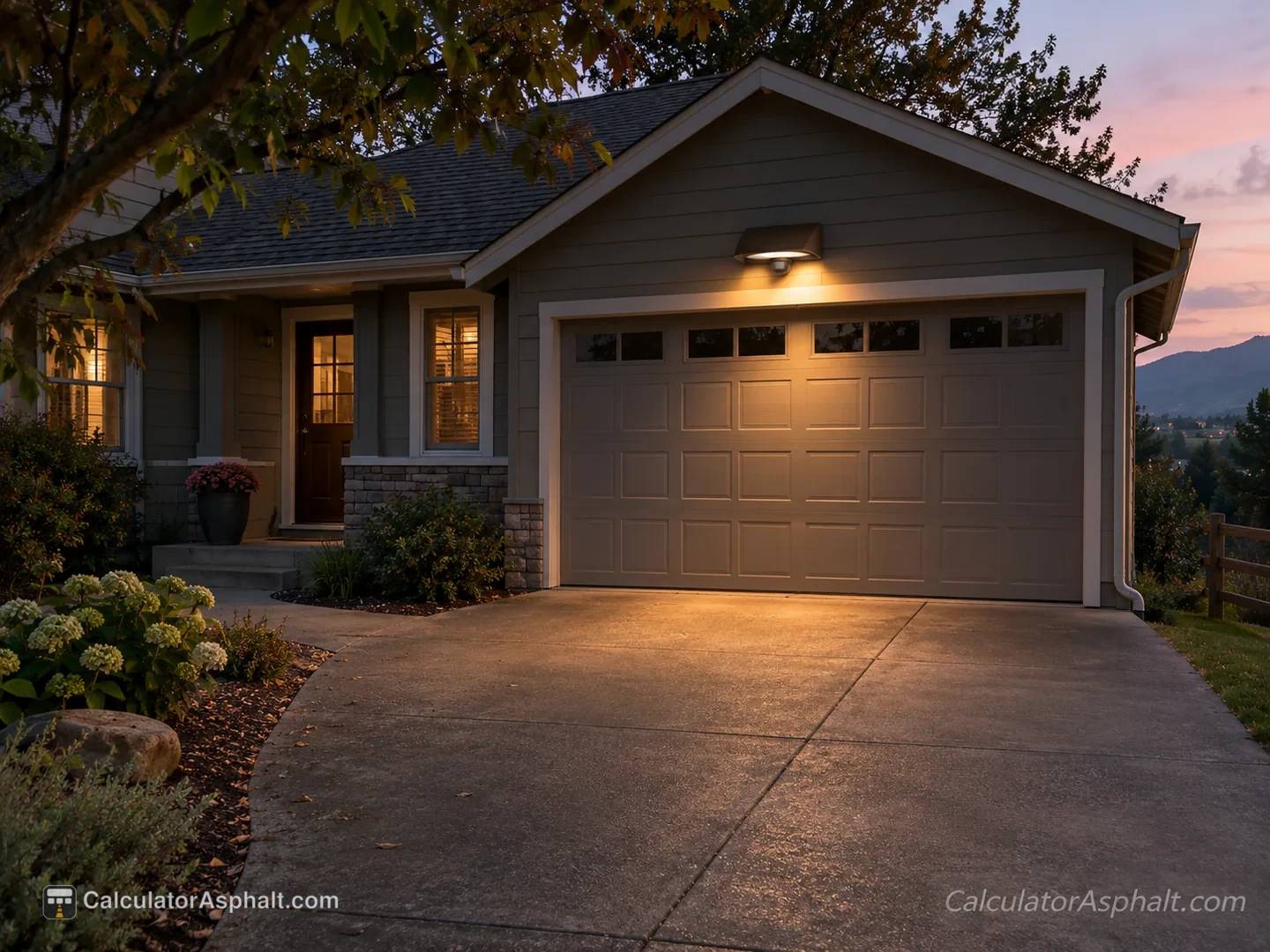
8. A motion-activated garage fixture
Light the unloading area for a short period when a car or person approaches. Aim the beam at the working surface and adjust the sensor according to its instructions. Test for nuisance triggering from passing traffic, pets or moving branches. Check for light spill at a neighbor’s window, and get professional help for new mains wiring.
Plan the fixture count before buying
Mark the street entrance, garage and pedestrian path on a sketch. For a hypothetical example, six compatible 3-watt fixtures add up to 18 watts of connected load. Use the actual product specifications and installation limits to choose the power supply. A daylight-dependent marker and a mains-powered garage fixture solve different tasks. Check the DarkSky and IES guidance on using targeted, low-level, warm light with controls.
Check placement at night
Test the setup from walking height, a parked car and the public approach. Use the lowest brightness that gives adequate visibility at the task. Keep fixtures clear of wheels, doors, snow equipment and overhead growth. Contact 811 before digging or driving stakes where utility locating applies, and arrange private locating where needed. Use a licensed electrician for new mains work. The Ask This Old House outdoor lighting demonstration shows an example of a wired landscape system.
Save these driveway lighting ideas on Pinterest to keep the guide handy.
Frequently asked questions
Which lights work in shade?
A compatible low-voltage fixture can suit a shaded position where an independent solar panel cannot receive adequate light. Compare its installation cost with moving a solar marker to a suitable sunny location.
How do I make driveway lights less glaring?
Shield the source, aim light at pavement or walking surfaces and check from the driver’s viewpoint. Use a dimmer, lower output or a timer if the equipment supports it.
What should I buy first?
Try a small test group at the entrance or the darkest pedestrian transition. Add fixtures only where they make a distinct part of the route easier to see.