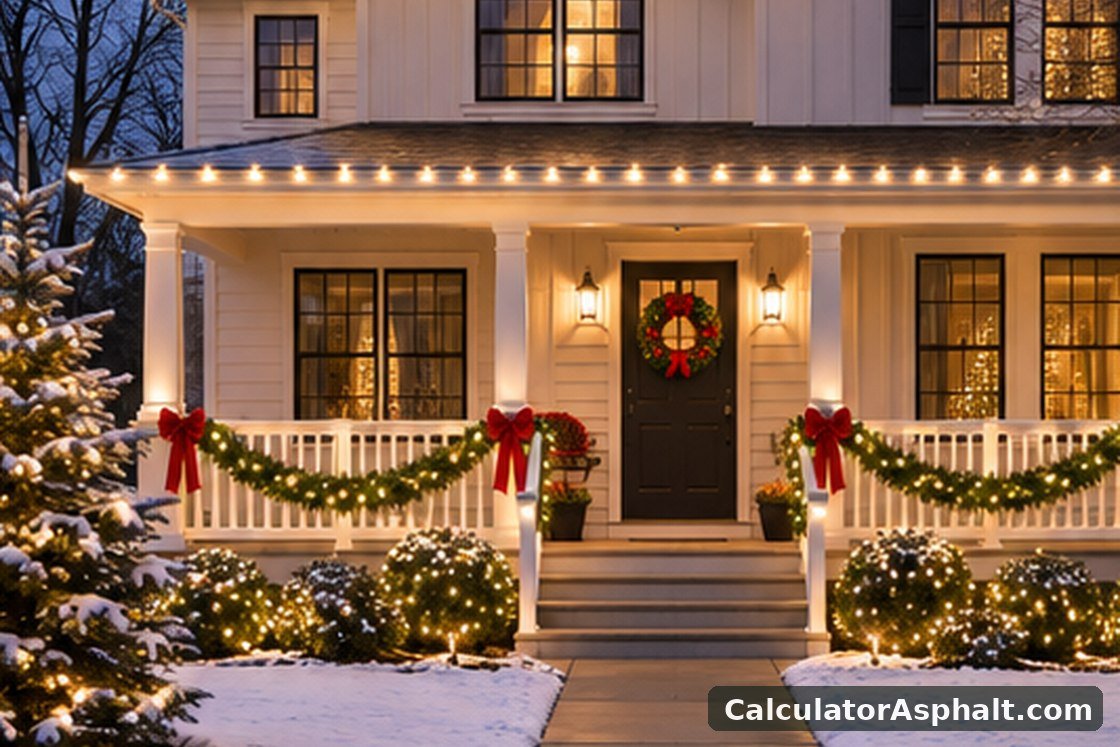
Pick one feature guests can see from the street, then light the route they actually take. A small display can look complete when it has a focal point and a clear approach.
Check the approach first
Photograph the entire front of the house from the street. Circle the feature you want to notice first. Walk from the driveway to the door with your usual outdoor lighting switched on.
Read the yard in three passes. First look from the curb and pick the strongest feature. Next walk from the normal parking point to the door and note any turn a visitor could miss. Finally, look out from the most-used room and see whether anything in the foreground competes with the doorway. Mark those viewpoints on a simple photo printout.
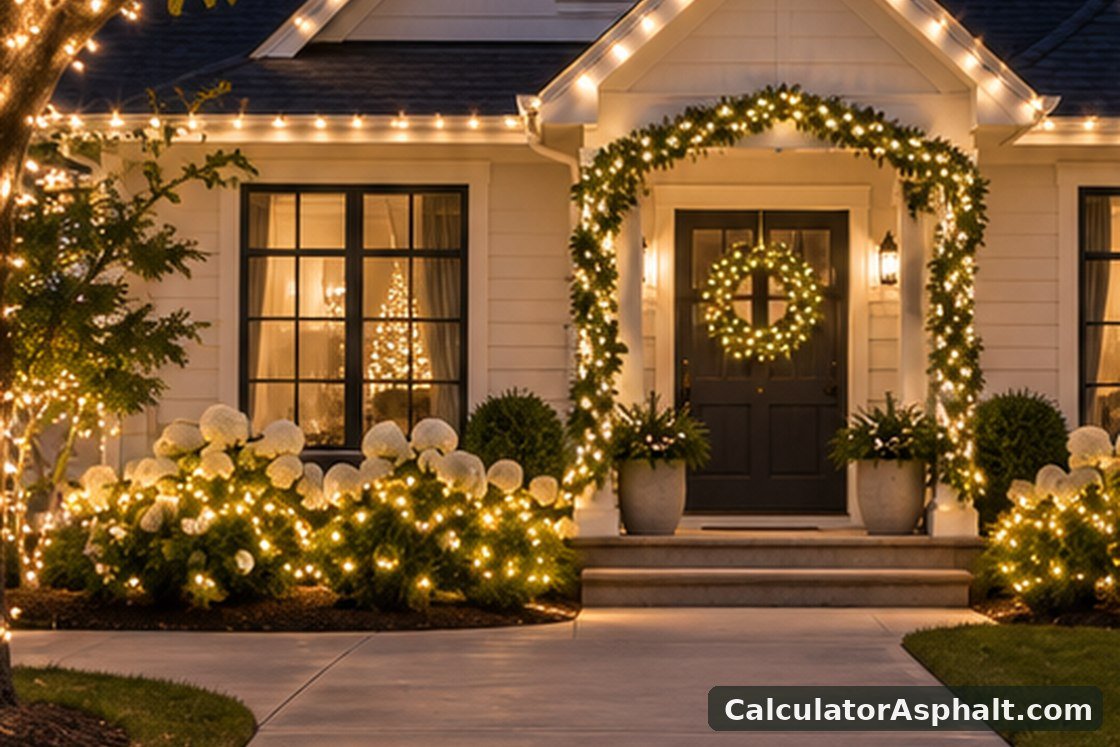
1. Classic whole-house glow
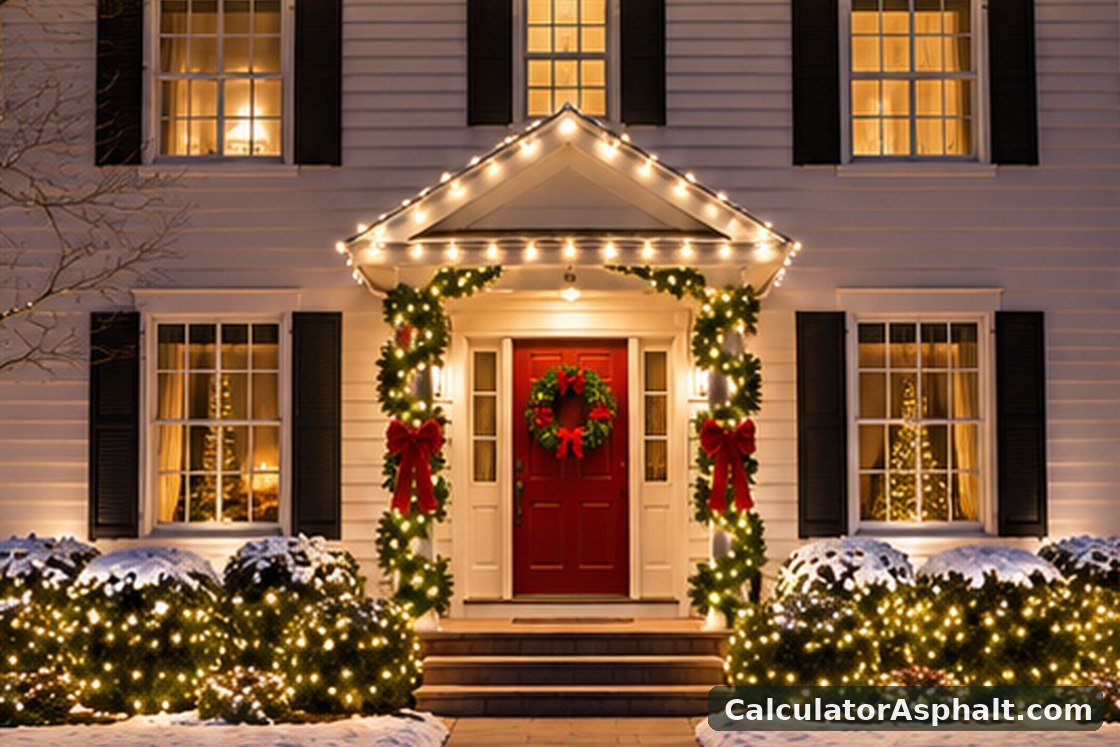
2. One edge with a low rhythm

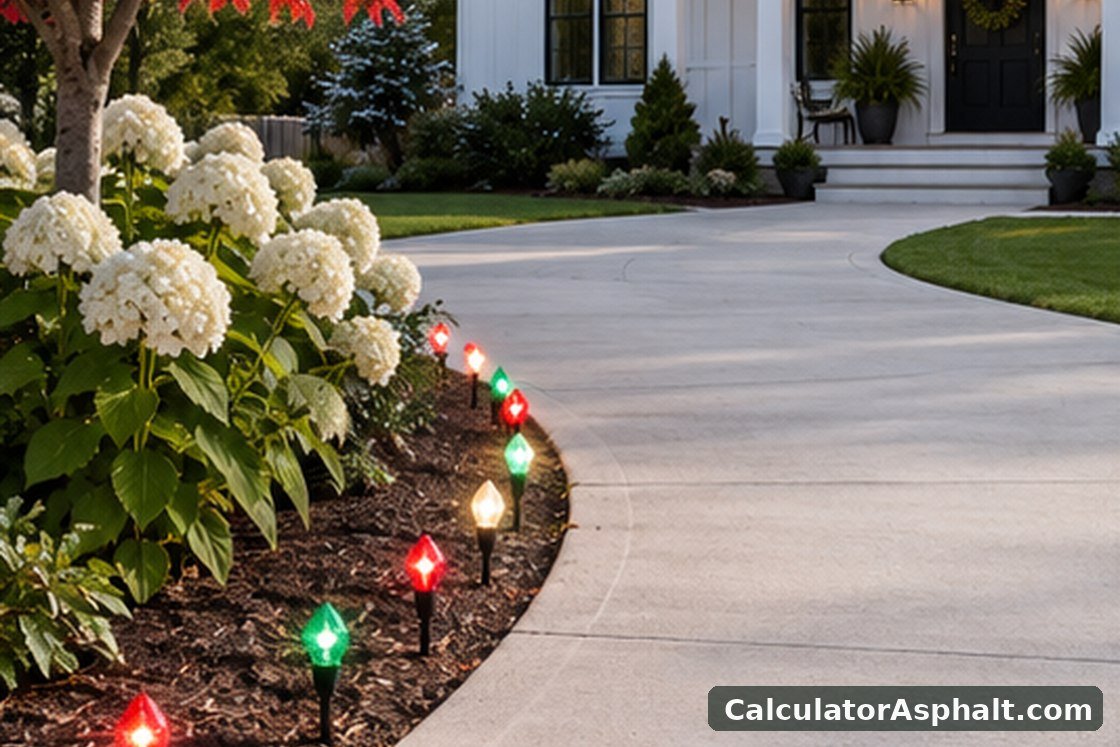
3. The path with one bend

4. The balanced doorway
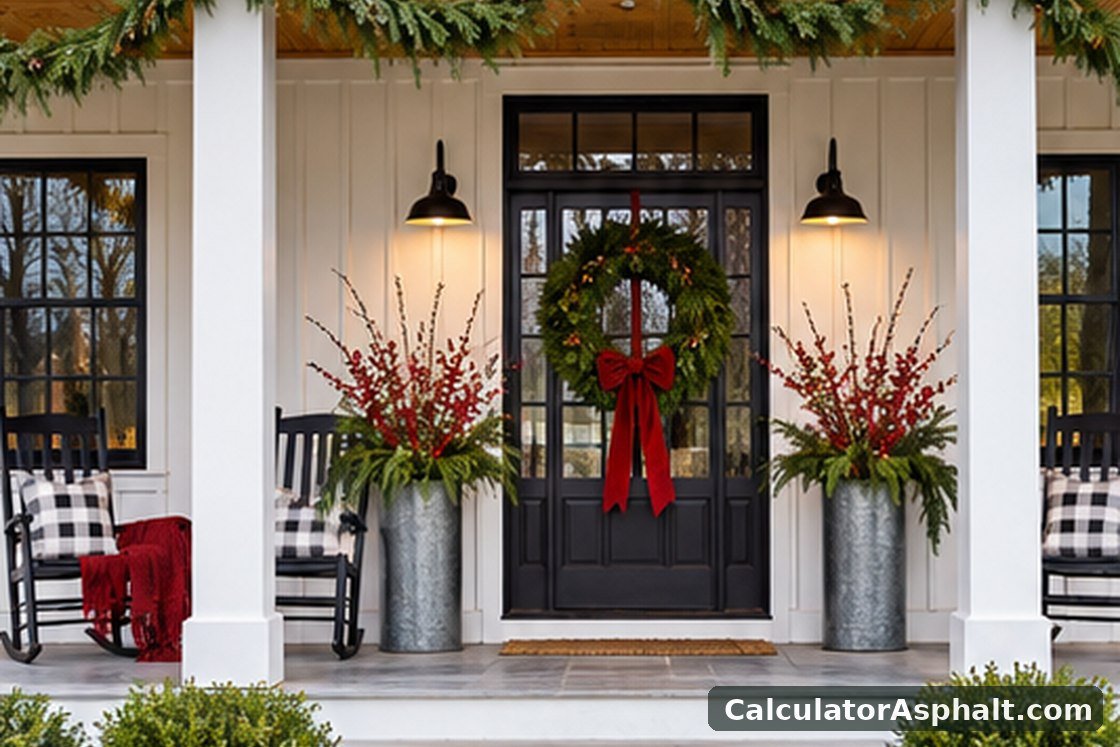
5. A single pot at the quiet side

6. Tall central branches

7. A short accent of outdoor lights
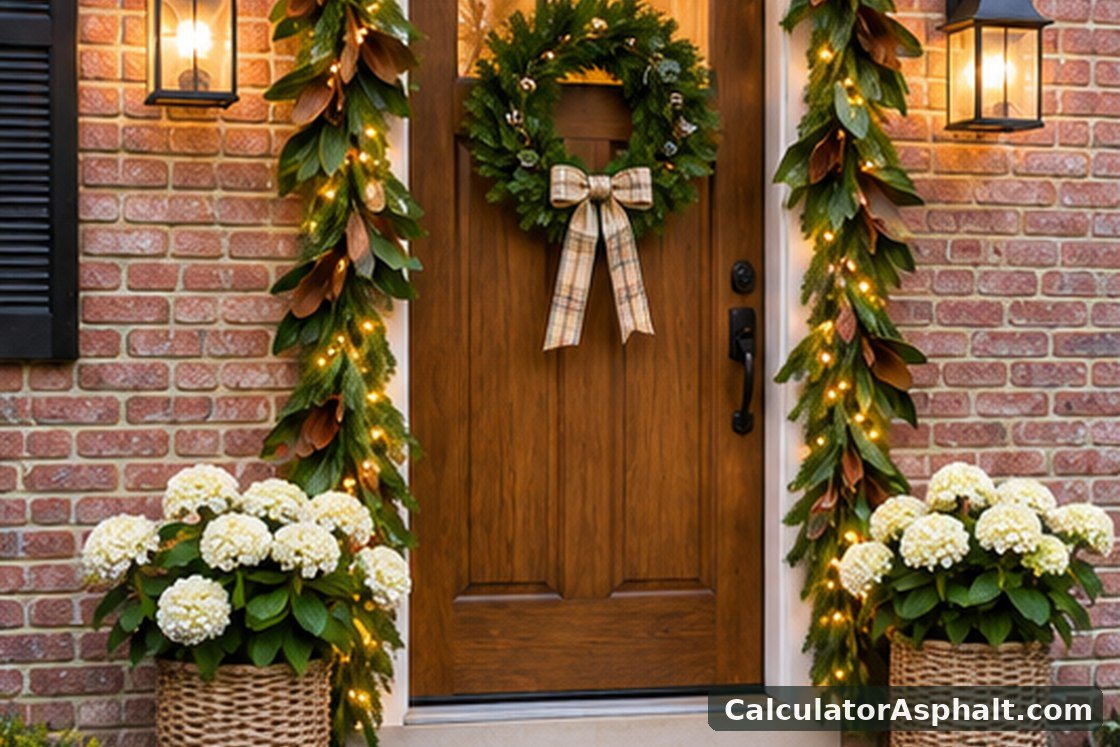
8. An amber entrance
9. The outside edge of the bend
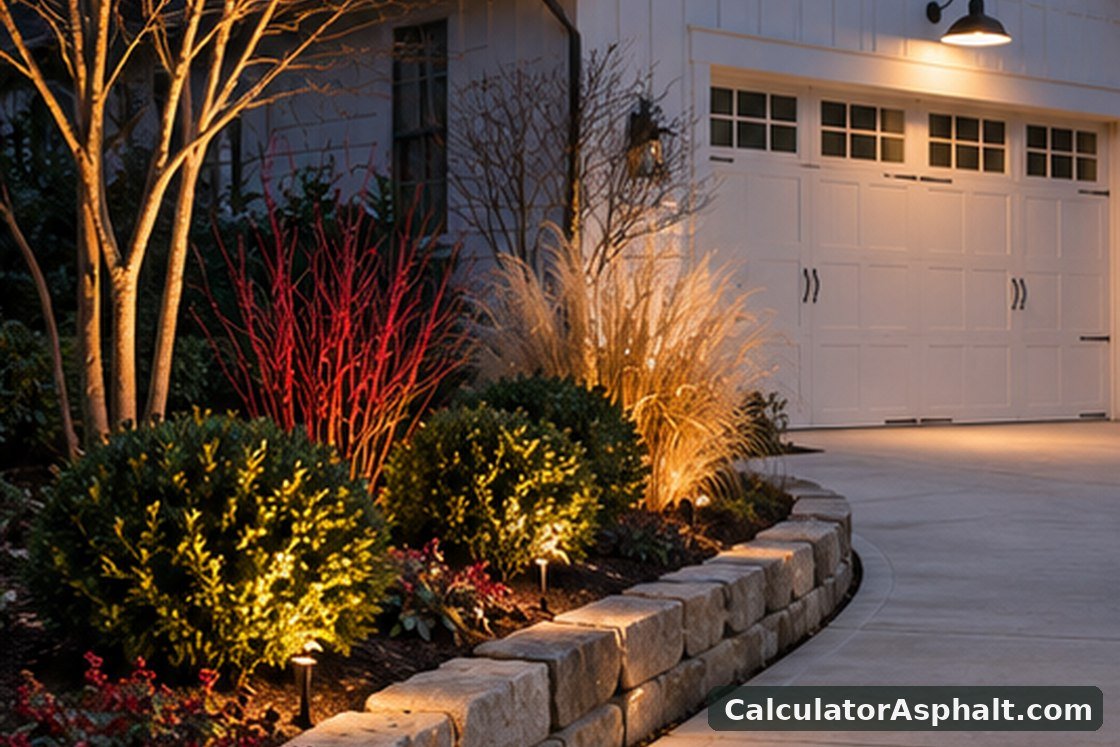
10. One sculptural plant
Choose the version that fits
The front looks complete when the lighting follows the way people use it. A broad elevation can support two visible zones. A short façade often reads better when the entrance gets the strongest cluster and the rest stays quiet.
Work through a measured example
Start with 18 feet along the front walk and 12 feet of visible porch edge. That is 30 feet of decorated run. If each product has 15 feet of lighted coverage, use two separate 15-foot planning zones or choose a product that fits the actual 18-foot leg. Check lead length separately.
| Zone | Measurement | Check |
|---|---|---|
| Main feature | Lighted length | View from the usual approach |
| Transition | Length of each side separately | Walking or driving route |
| Secondary accent | Actual length or marker count | Visible impact compared with cost |
Put the plan to the test
Plan the main view, then try the simple setup for one evening before buying more. Ask someone unfamiliar with the house where they would walk after parking. Their route tells you which transitions still need the usual outdoor lighting.
Use separate rows for the door, front walk, porch and garden. For each row record the visible length, the product's published lighted length, the proposed start and end, and whether normal route lighting needs to stay on. Keep the active routes open during the trial. Get the balance right from one common viewing angle before adding another zone.
How do I know when the display is done?
Stand at the ordinary arrival point. If the eye lands on your focal feature and the entrance still reads clearly, use that as your stopping point.
Outdoor lighting safety
Use lights and accessories rated for outdoor use when the display is outdoors. Inspect the equipment for damage before use, follow product directions, and use GFCI protection for outdoor plug-in decorations. Keep cords and pieces out of driving and walking routes. Keep ordinary safety lighting and required access available.
Electrical Safety Foundation International outdoor decoration guidance
Calculators for related outdoor projects
These tools estimate landscaping and paving materials for a separate project. Use the measurements and product information above to plan the seasonal display.
Explore the Christmas curb appeal guides
- Driveway Christmas Lights: Three Layouts That Look Like a Runway
- Christmas Walkway Lights: How to Guide Guests to the Front Door
- Front Porch Christmas Decor: Three Welcoming Entry Layouts
- Small Porch Christmas Decor: Three Layouts With Room to Move
- Outdoor Christmas Planters: Three Arrangements for the Front Door
- Budget Outdoor Christmas Decor: Where a Small Display Goes Furthest
- Warm White Christmas Lights: How to Give the Front Yard a Golden Glow
- Christmas Pathway Lights for Pavers: Three Ways to Show the Pattern
- Curved Driveway Christmas Lights: Make the Bend the Focal Point
- Christmas Front Steps and Entryway Ideas: Three Ways to Frame the Door
- Christmas Patio Decor: Three Outdoor Sitting Areas for Winter
- Christmas Lights Around Garden Beds: Three Ways to Reveal Winter Shape
- Minimalist Outdoor Christmas Decor: Three Ways to Make One Feature Count
Planning a permanent upgrade after the holidays? See Patio garden layouts for small spaces.