Choose removable details visible from the path and preserve morning access around the beds.
Read the winter view before adding anything
Look from the street, the primary doorway and the window you use most often. Choose the viewpoint that makes the decoration worth maintaining. Use the existing lines of the paving and planting to define your scene. Repeat a single form or color across the small visible zone before extending the display farther into the garden.
Layout 1: A short seasonal marker line
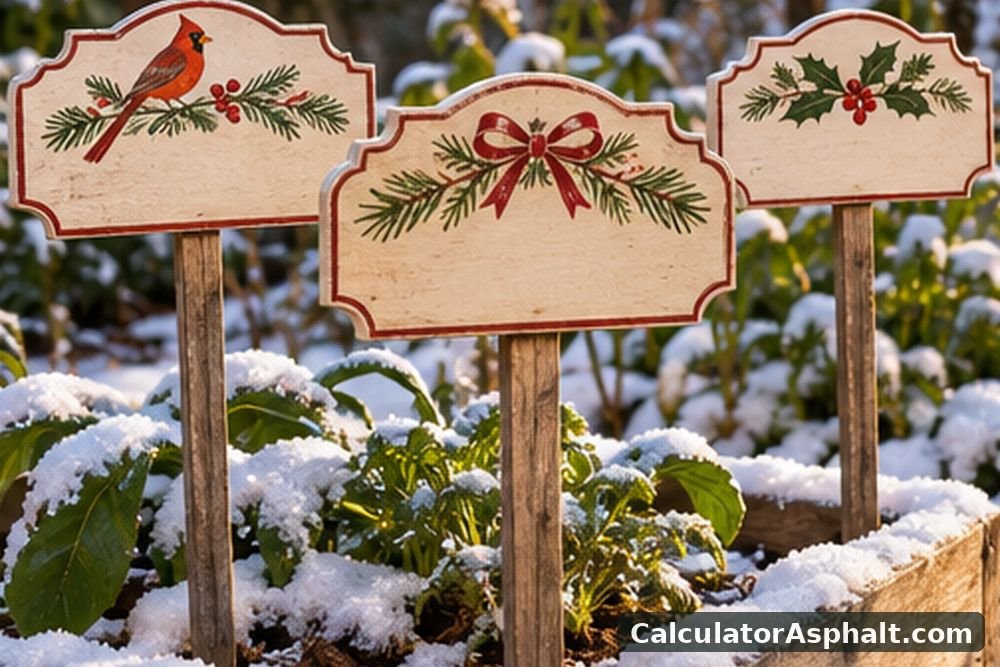
Place the markers where they can be removed without disturbing plants.
Layout 2: One end feature

Decorate the quieter end to keep the service side clear.
Work through the dimensions
Two 3-by-8-foot beds cover 48 square feet in total. Keep the separate path footprint on the sketch.
Keep the entrance and the maintenance side available. Test the finished shape with an empty pot or mock-up and note how seasonal weather and the condition of the ground affect its placement. Keep ordinary walking lighting available and select products suited to their outside exposure. Reserve a place where the decoration can be moved under cover if conditions call for it. Price planting material separately from any seasonal decoration.
Set out an outdoor trial
Stage one piece in daylight, check the evening view, and revisit it after the first change in weather. Mark the access route as well as the most important view. Compare the visible result with the effort of future upkeep.
Open the project checklist
- Measure the full size or usable footprint before choosing components.
- Review the options from the usual viewing position or test the final thumbnail.
- Write down the quantities and the first thing to test using the example above.
- Make one complete mock-up before buying additional materials.
Outdoor decoration safety guidance and Penn State Extension’s winter container ideas.
For a separate soil or surface project, estimate topsoil and mulch by layer.