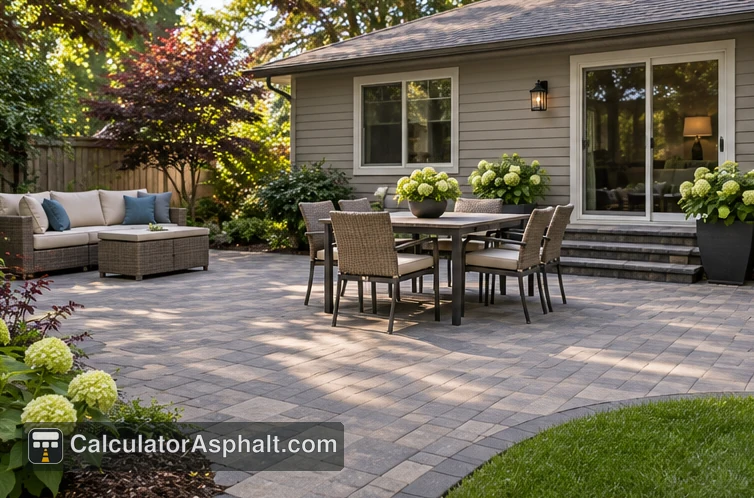
Two patio bids can list the same square footage and describe different work. Write down the project details you can see, then ask each contractor to price the same site conditions, assembly and finish before comparing totals.
Start with one drawing and list of features
Give every bidder the same dimensions, paving unit, border, transitions and site observations. Mark places that may be hard to access. Include removal and haulaway, delivery, drainage assumptions and any restoration you expect outside the finished patio.
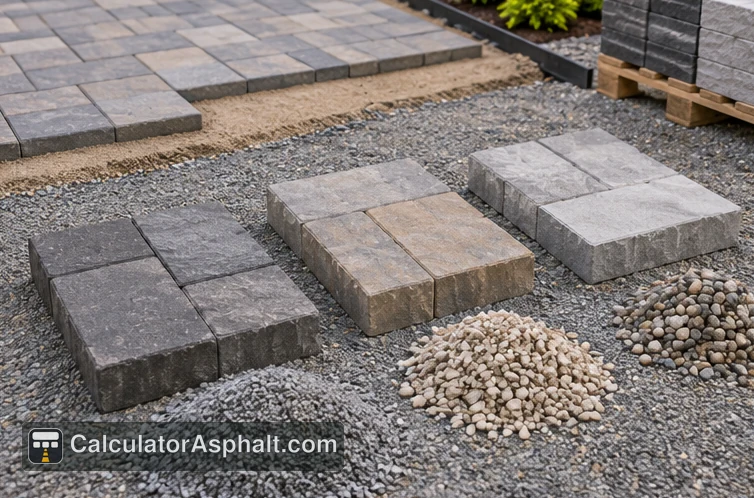
Ask for the assembly in writing
Request excavation assumptions, proposed base and bedding system, edge treatment and joint material. Ask what changes if the installer finds an unsuitable area or an obstruction. If bidders propose different assemblies, ask each to explain why their proposal suits the specific site and product.
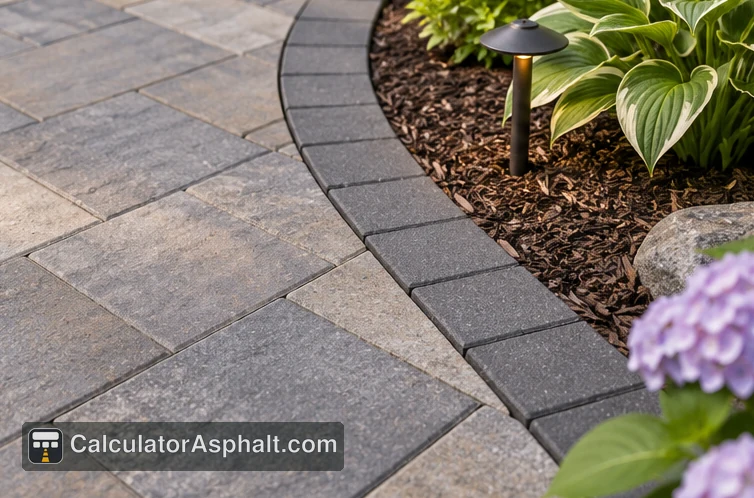
Compare allowances and exclusions
Separate fixed prices from allowances, then record the field conditions that trigger extra work. Ask whether equipment access, cutting, disposal, cleanup and restoration are included. List the conditions, exclusions and covered work for each warranty.
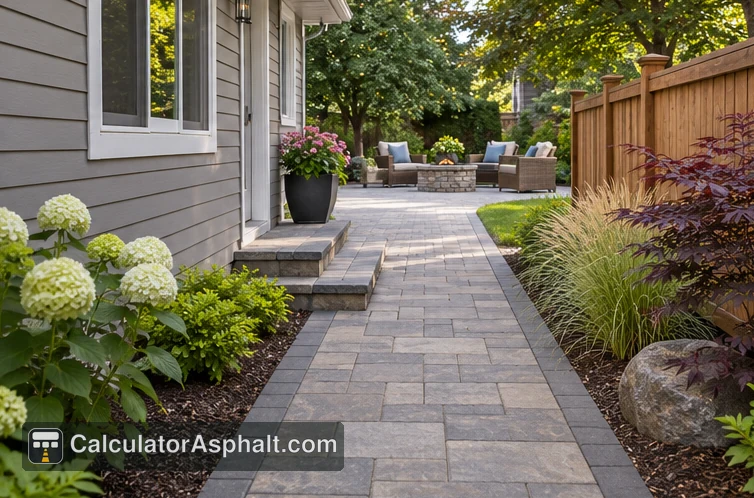
Create a comparable total
Copy each quoted total into one sheet. Add only the priced items needed to make scopes comparable and flag unpriced exclusions. Ask contractors to send written revisions for the same final plan before choosing.
Worked bid comparison
Bid A is $6,500 and excludes a $700 haulaway item. Bid B is $7,050 and includes it. On that one adjustment A rises to $7,200, which is $150 above B. Both bids may still differ on materials, drainage, restoration and warranty, so price each scope gap in writing.
Build a simple bid scorecard
Make rows for delivery, excavation, disposal, base and bedding, edge restraints, drainage, finished paving and site cleanup. For each row ask for the proposed material and the person responsible for acceptance. Leave a blank when the scope is unclear and follow up before ranking the total. Add a separate column for potential change orders, then ask how those changes will be approved and priced. Once the bidders respond, compare total cost for the agreed work and retain the remaining open conditions in writing. A final site walk can also clarify access and restoration that never showed up in the first estimate.
Take these checks to the site
Price common scope
Make one line for each feature in the drawing, including edge treatment and transitions. Record each bid as included, excluded, allowance or unclear. Get clarifications in writing and add comparable items only once.
Read change-order terms
Ask who authorizes extras, what price or unit rate applies and how changes are documented. Tie site work to actual conditions rather than relying on an informal estimate. Keep furnishing and plant replacement separate from construction allowances.
Confirm finish and verification
Check the supplied sample, expected delivery and timeline. Ask what needs a walk-through before acceptance and how the company documents assembly layers that are covered by the end of the job.
Common questions
What if a bidder will only give one price?
Ask for a written scope and itemized exclusions. Request prices for changes likely to arise, such as additional disposal or a different border. You can compare scope even if labor and materials remain bundled.
How should I compare warranties?
Separate product coverage from workmanship and verify who handles each claim. Ask what documentation and upkeep are required, what happens if a matching unit is unavailable and who pays labor for covered replacement. Compare those answers on the same sheet as the project scope.
Project calculators
Related patio guides
- Estimate paver base and sand
- See small DIY paver patio ideas
- Paver Patio on a Budget: Where to Save Before You Change Materials
- Extend an Existing Paver Patio: Where to Put the Seam and What to Match
- Large Paver Patio Installation: Plan Access, Delivery and Handling First
Technical reference CMHA guide to concrete paver construction.