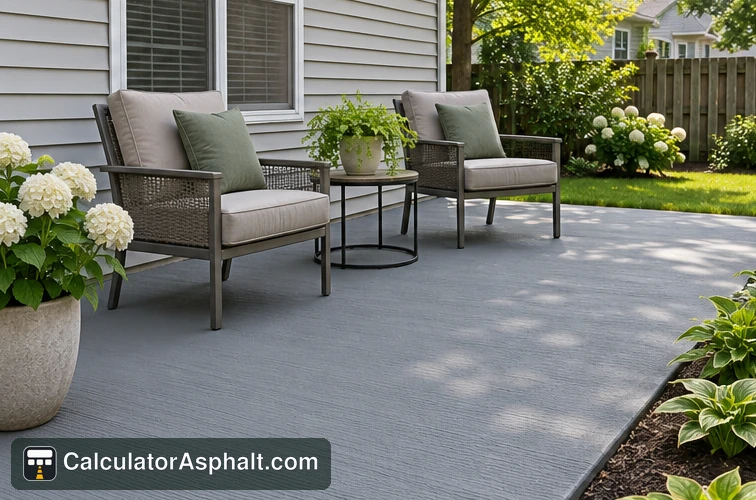
An exterior floor coating can refresh a suitable slab. Begin by finding out what is already on the concrete and why the surface looks worn. Choose a compatible coating and finish only after you understand moisture, old paint, current repairs and how the patio is used when wet.
Jump to a section
Identify the surface before choosing a coating
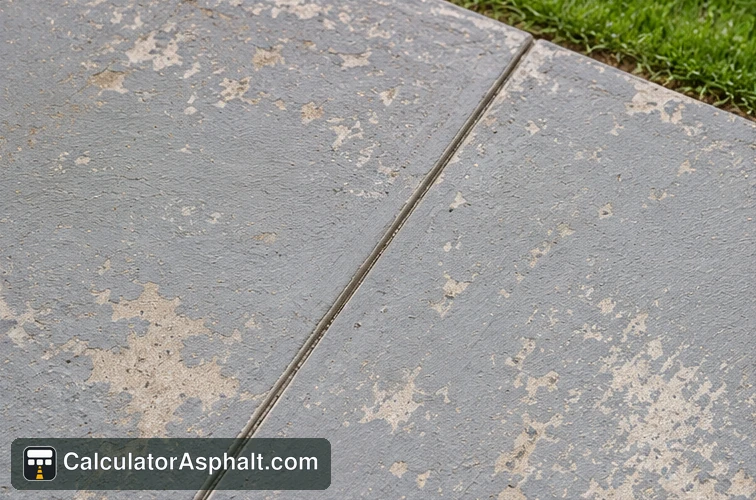
Walk the slab and mark peeling, powdering or stained areas. Look for an existing coating, previous sealer and changes in texture. Check whether water remains next to the house or at the border. Contact the coating maker about how to identify the existing treatment and test compatibility. Ask a qualified installer to investigate active cracks, deterioration or repeated moisture before painting.
Compare three finish ideas
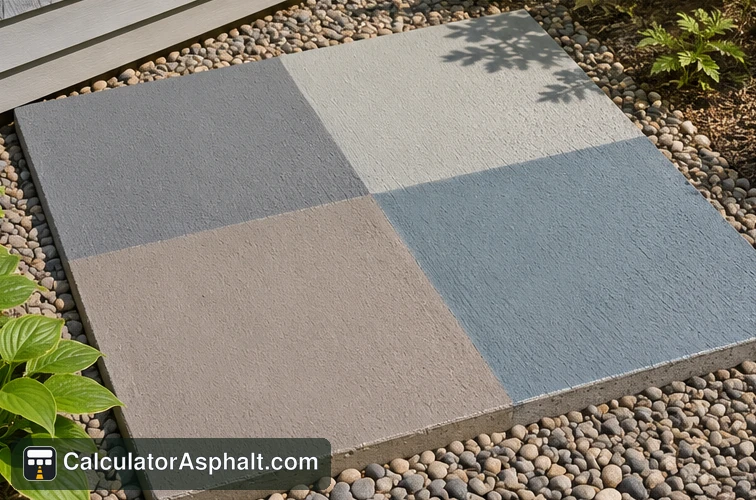
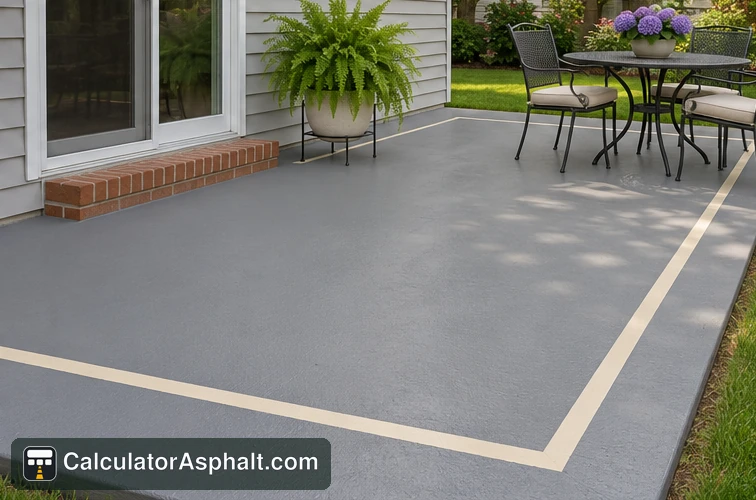
Try a solid field color that works with the house and plants. Compare a muted border accent that stops at a deliberate edge, then a simple visual zone for seating. Use sample swatches in different sun and shade. Any required joints and transitions should remain functional and visible. Confirm the product is rated for the actual exterior floor, surface, use and expected exposure.
Ask about clean, dry and sound concrete
Review the preparation instructions for the exact product. Surface contamination, failing old material or moisture can interfere with adhesion. Consider how the work area will be kept clean and how the manufacturer wants you to handle existing coatings, repairs and primer. Follow product labels, local requirements and appropriate professional guidance for removal or surface preparation.
Test a small area for appearance and use
Ask the manufacturer about testing on a representative patch. Compare the texture and color in sun, shade and ordinary damp conditions. Exterior coatings can become slippery when wet. Use only compatible traction options recommended by the product manufacturer and ask a professional about any special access requirements. Keep the test off your main walking route until it is suitable for use.
Estimate area and material from the label
A 10-by-16-foot patio has 160 square feet. Two coats represent 320 square feet of coating work. If a manufacturer’s coverage guidance for the actual surface were 250 square feet per gallon per coat, the arithmetic minimum would be 1.28 gallons before rounding and allowances. Check the current product guidance and add any separate compatible primer and touch-up supply using their own coverage rates.
Read the weather and cure instructions together
Confirm the product’s requirements for temperature, moisture, application and use. Check the forecast and account for overnight weather, irrigation or shade. Dry-to-touch times and return-to-service instructions can differ. Tell anyone using the patio when it can reopen and plan where furniture will be stored during the work. Use the manufacturer’s instructions for maintenance and recoating.
Separate a color change from a repair
A new finish can change the appearance of a suitable slab. If it is moving or draining poorly, request a repair assessment. Compare keeping the slab, recoating after any work, or evaluating an approved overlay. Get the proposed finish, preparation, threshold effects and maintenance in writing. Compare each option using the same intended area and user needs.
Price a solid field and a small accent on the same slab
Choose a main color that can be tested across the most visible part of the patio. Price a second option with a narrow accent at one deliberate line or seating zone. Ask whether the color and coating system need different material, primer or labor. Measure the two zones separately and retain the exact finish reference. Check whether you will have enough compatible touch-up material after allowing for the required number of coats. Confirm how to keep the walking route safe during application and curing. Save the final coating names with the project notes to simplify maintenance later.
Use a written coating decision sheet
List the material currently on the patio, the information you have about its age and the most visible symptoms. Ask the manufacturer or contractor if they need a moisture assessment, compatibility check or different preparation for any part of the slab. Add the approved weather window, compatible product and intended use. Mark which problems require correction before work begins. Keep those notes alongside the sample patch. If it changes color or shows poor adhesion, pause and discuss the cause before expanding the work. Compare the planned scope with keeping a clean bare slab or choosing another suitable finish.
Compare cleanup and future work before you choose
Ask how the finished floor should be cleaned and when it can receive furniture and ordinary foot traffic. If a different color is desired later, review which existing products might be compatible with the new coating. Consider what happens around plants, irrigation, heavy furniture and the path into the house. Inspect the test area in typical outdoor conditions and compare it with the existing surface where you actually walk. Keep the previous condition photos in case a moisture pattern returns. A durable result depends on the slab condition, preparation and use as well as on the color.
Field checklist
- Document the finish you have and what has failed.
- Check product suitability and test a representative area.
- Calculate coverage from the current label and verify when people can use the patio.
Common questions
Can I paint over old peeling coverage?
Find the cause and check the exact product's preparation and compatibility requirements. Correct moisture and restore a suitable substrate under the appropriate guidance before applying a new coating.
Will coating fill cracks or repair drainage?
A finish does not replace a drainage or concrete repair. Ask an installer to assess unevenness, movement and water flow separately before choosing a surface treatment.
Material calculators
Use the worked example and the coating label to estimate paint. The calculators are useful for new concrete or paver alternatives.
Related guides
- Patio tiles over concrete slab checklist
- Concrete back patio layouts and cost
- Paver patio drainage planning
Sources
- Behr instructions for porch and patio floor paint
- Sherwin-Williams guidance on peeling concrete floor coatings