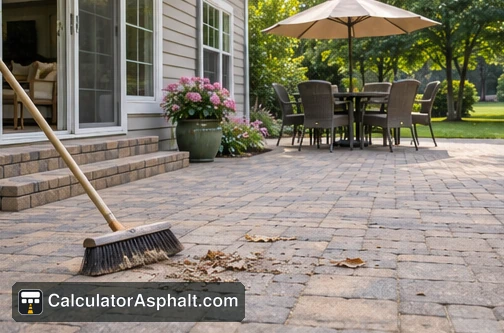
A seasonal patio inspection is easier when you follow the same route every time. Walk the outside edge, check the joints and finish at the transition to the house. The condition you find on a dry day, and the way it changes after rain, will tell you whether to clean, monitor or bring in an installer.
Jump to a section
Start with light cleaning
Sweep loose material and leaf litter before judging the joints. Confirm any cleaner and cleaning method with the paving manufacturer. Test in a small area, keep dirty water away from adjacent surfaces and use a technique appropriate to the jointing material. Record discoloration separately from movement so the remedy fits the symptom.
Compare joints in three locations
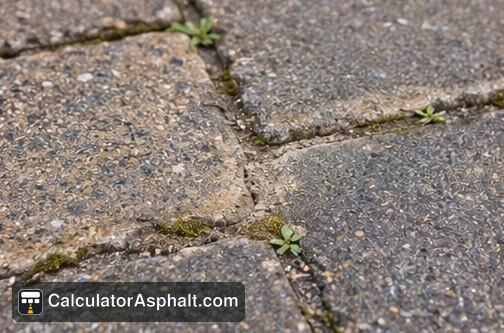
Look at a protected corner, a busy walking route and the outside row. Note whether joints are open, empty, narrowing or moving, and whether pavers rock under normal use. A few weeds can indicate organic debris. Repeated joint loss near a low spot or downspout warrants a look at the water route and assembly.
Walk the patio after rain
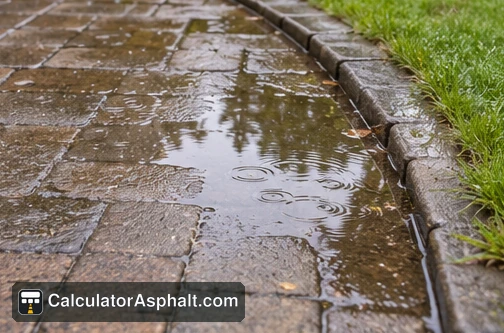
Observe from a safe, dry location. Make a simple sketch with arrows for runoff and take photos where puddles persist. Compare what happens beside the house, along the border and at the lowest edge. Note how long the water remains and repeat after a comparable rainfall.
A two-photo comparison
At the end of your sweep, mark a corner where two joints meet. Photograph the same area before and after the next rain with a ruler in view if safe. If the gap opens or units tilt, record the affected area and ask the original installer whether the underlying restraint or support should be inspected.
Set three points for the next inspection
Keep one note for what you saw while dry, one for what changed after rain and one for what moved underfoot. Photograph the same three places as the season changes. Include an exposed field area, the edge where maintenance equipment passes and the wettest door or downspout neighborhood. Write the original jointing product on the record if you have it. Give the installer the photos and location sketch before asking for a price. That lets them distinguish ordinary surface care from a possible movement or drainage repair.
When should I call an installer?
Arrange an inspection for a growing low spot, visibly loose edge, water repeatedly collecting near the house or a trip hazard. Share the different photos, rainfall timing and where drainage enters the patio. Restrict access to a walking hazard while you arrange repair.
Material calculators
Related project guides
Reference CMHA guidance on maintaining interlocking concrete pavers.